

Disneyland Paris at Christmas: A Festive Winter Wonderland
Discover the magic of Christmas at Disneyland Paris, from sparkling decorations and festive entertainment to the enchanting Disney Parks. Here's what to expect during the Christmas season.
There is something special about visiting a Disney destination during the festive season, and Christmas at Disneyland Paris brings together the magic of Disney with the atmosphere of a traditional European Christmas.
From beautifully decorated streets and towering Christmas trees to seasonal entertainment and familiar Disney characters, the parks take on a festive atmosphere that makes this time of year particularly appealing for families, couples and Disney fans.
Whether you're considering a Christmas trip or simply looking for inspiration for a winter getaway, here's what makes Disneyland Paris such a memorable festive destination.
When is Christmas at Disneyland Paris?
The Christmas season at Disneyland Paris generally begins in early November and continues through the Christmas holidays into early January.
Disneyland Paris’ Christmas season usually runs from the start of November to start of January.
This gives visitors several weeks to experience the seasonal decorations, entertainment and festive atmosphere across the resort.
Visiting in November can be appealing if you'd like to experience the Christmas decorations before the main holiday period. December brings the excitement of the lead-up to Christmas, while the celebrations continue into the New Year.
If you're planning a visit, check the official Disneyland Paris website for the dates, entertainment schedules and experiences available during your chosen travel period.
The two Disney Parks at Christmas
Disneyland Paris is home to two theme parks, each offering its own attractions and themed environments.
Disneyland Park
Disneyland Park is home to the iconic Sleeping Beauty Castle and the much-loved Main Street, U.S.A.
During the Christmas season, Main Street becomes one of the highlights of a visit, with festive garlands, wreaths, decorated shopfronts and seasonal displays.
The Christmas tree in Town Square creates a beautiful welcome for visitors entering the park, while the surrounding decorations help bring the festive atmosphere to life.
As you explore the park, you'll find a combination of classic Disney attractions, themed lands and seasonal entertainment.
The decorations are particularly beautiful towards the end of the day, when the park lights begin to glow and the castle provides a magical backdrop for photographs.
Disney Adventure World
The resort's second park is Disney Adventure World, formerly known as Walt Disney Studios Park.
The park features immersive themed environments, attractions and experiences that complement Disneyland Park.
For the Christmas season, the opening of World of Frozen adds a new dimension to the festive experience. Inspired by the kingdom of Arendelle, this area brings the world of Frozen to life with Nordic-inspired surroundings and familiar characters.
For families who love Frozen, it offers another reason to explore the resort during the festive season.
As with all seasonal offerings, check the official programme for current entertainment and experiences before your visit.
Christmas decorations and festive atmosphere
One of the most memorable aspects of Christmas at Disneyland Paris is the attention to detail throughout the parks.
Main Street, U.S.A. is particularly enchanting, with traditional Christmas decorations, colourful displays and beautifully decorated shop windows.
The towering Christmas tree is a natural focal point, while Sleeping Beauty Castle provides an iconic setting for festive photographs.
Beyond the main thoroughfare, exploring the themed lands gives you the chance to discover more seasonal details and enjoy the parks at a relaxed pace.
After dark, the illuminated decorations create a different atmosphere, making an evening stroll through the park a lovely way to end the day.
For many visitors, these small moments are just as memorable as the attractions themselves.
Festive entertainment and Disney characters
Christmas at Disneyland Paris is about more than decorations. Seasonal entertainment adds another layer to the experience.
Depending on the programme for your visit, you may be able to enjoy Christmas-themed parades, musical performances, character appearances and other festive activities.
Seeing Mickey and his friends dressed for Christmas can be a particular highlight for younger visitors, while character encounters offer opportunities to create special family memories.
Some seasons also include opportunities to meet Santa Claus.
Entertainment schedules and character appearances can vary, so it is worth checking the official programme if there is a particular show or experience you'd like to see.
Attractions, festive treats and shopping
Although Christmas brings a seasonal transformation to the parks, Disneyland Paris remains a theme park experience at its heart.
Visitors can spend their days enjoying attractions, exploring the different themed lands, browsing Disney shops and discovering seasonal food and drinks.
You may also find festive merchandise and Christmas-themed treats during the season, depending on the current offerings.
For families, the combination of rides, entertainment, themed surroundings and seasonal details makes it possible to create a varied day that suits different ages and interests.
You don't need to spend every moment rushing between attractions. Allowing time to explore, enjoy the decorations and take in the atmosphere can be part of what makes a festive visit special.
Is Disneyland Paris worth visiting at Christmas?
If you enjoy Disney, Christmas decorations and seasonal entertainment, Disneyland Paris can be a wonderful destination to consider for a winter getaway.
The festive season combines the familiar attractions and storytelling of Disney with the atmosphere of Christmas, creating an experience that appeals to children and adults alike.
Families may particularly enjoy the character appearances and seasonal entertainment, while Disney fans can appreciate seeing the parks transformed for the holidays.
However, your experience will depend on your travel dates, interests and expectations. The main holiday period can be busy, and popular entertainment may require some planning.
If you're considering a visit, researching the seasonal programme and deciding which experiences matter most to you will help you make the most of your time.
Watch Our Full Video
🎥 Watch our Disneyland Paris during the Christmas season experience on YouTube: The Atlas Journey, where we share our full review, tips and experience.
Christmas at Disneyland Paris
Christmas at Disneyland Paris brings together festive decorations, seasonal entertainment and the familiar magic of Disney in one destination.
From the Christmas tree and decorated streets of Disneyland Park to the immersive environments of Disney Adventure World, there is plenty to explore throughout the festive season.
Whether you're planning a family holiday, a winter getaway or a special trip for a Disney fan, it is a destination worth considering when dreaming about Christmas in Europe.
Seasonal dates and experiences can change. Always check the official Disneyland Paris website for the latest information before travelling.
Official information
For current dates, seasonal entertainment and park information, visit the official Disneyland Paris website.
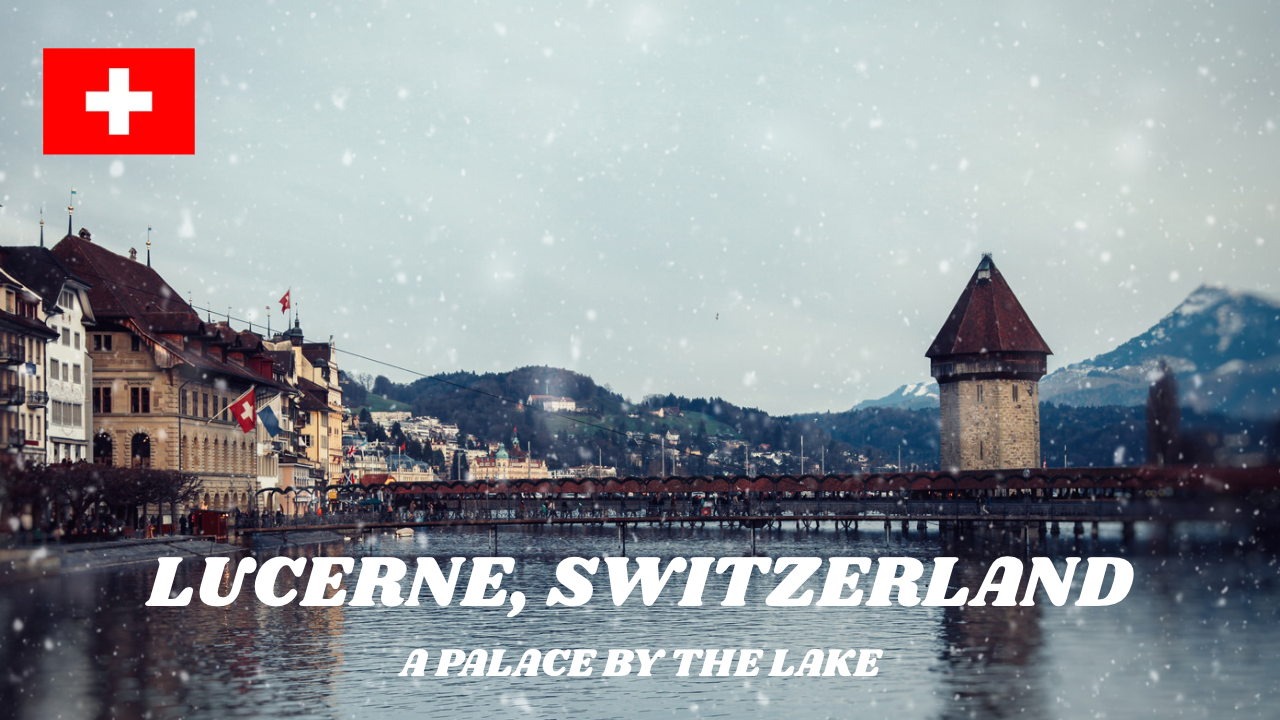
Lucerne, Switzerland: Lake Views, Historic Streets and a Luxury Palace Hotel
Lucerne is one of those Swiss destinations where lakeside scenery, historic architecture and mountain views come together in one beautiful setting. Located in central Switzerland, on the shores of Lake Lucerne, the city offers a mix of cultural attractions, scenic walks and easy access to the surrounding Alpine landscape.
In this guide, we're revisiting our stay and sharing a few places to consider adding to your own Lucerne itinerary.
Discovering Lucerne
One of Lucerne's biggest attractions is its setting. The city sits beside Lake Lucerne, with the Swiss Alps providing a dramatic backdrop. You can explore the historic centre on foot, enjoy the waterfront or use the city as a base for excursions into the surrounding mountains.
Lucerne is also known for its preserved historic landmarks and traditional architecture. Its compact centre makes it a good option for travellers who want to experience Swiss history and scenery without planning a packed itinerary.
Although we only captured a small part of the city during our visit, there are several attractions worth considering when planning your own trip.
Chapel Bridge and the Water Tower
Chapel Bridge, known locally as Kapellbrücke, is one of Lucerne's most recognisable landmarks. This covered wooden bridge dates back to the 14th century and crosses the Reuss River, connecting parts of the historic centre.
Its painted interior panels and distinctive roof make it an interesting stop for anyone interested in architecture and history. The nearby Water Tower is another important feature of the city's historic skyline.
It's an ideal place to include on a walking route through Lucerne's Old Town.
The Lion Monument
The Lion Monument is a sculpture carved into a natural rock face, commemorating Swiss Guards who died during the French Revolution. Its solemn expression and detailed carving make it one of the city's most significant historical sights.
If you enjoy learning about the stories behind a destination, this is a worthwhile addition to your itinerary.
Take a Boat Trip on Lake Lucerne
For a different perspective of the region, consider taking a boat trip on Lake Lucerne. Cruises offer views of the surrounding mountains, shoreline and lakeside communities, making them a relaxing way to appreciate the landscape.
Depending on the time you have available, you could combine a cruise with a mountain excursion or simply enjoy time on the water.
For current routes and schedules, check the official Lake Lucerne Navigation Company website before your visit.
Staying at the Historic Palace Hotel
The hotel's history dates back to 1906, when Swiss entrepreneur Franz Josef Bucher established it as a luxurious lakeside retreat. Its Belle Époque architecture reflects the elegance of an era when grand European hotels were destinations in their own right.
The building's location was a major part of its appeal, with the lake and surrounding scenery creating a memorable setting for a stay in Lucerne.
The restoration preserved elements of its historic character while introducing contemporary design and modern luxury. Today, the hotel continues to combine its Belle Époque heritage with its prominent lakeside location.
You can explore current accommodation options and facilities on the official Mandarin Oriental Palace, Luzern website.
Is Lucerne Worth Visiting?
Lucerne is worth considering if you'd like to combine a historic city break with time in nature. You can spend the morning exploring the Old Town, visit a historic landmark, walk beside the lake or plan an excursion into the mountains.
The city also works well for travellers who prefer a flexible itinerary. You don't need to fill every day with organised activities to appreciate the scenery and atmosphere.
For a first visit, I'd consider allowing time for Chapel Bridge, the Lion Monument and a walk along the waterfront. If your schedule allows, a Lake Lucerne cruise could be another lovely addition.
For more ideas and practical visitor information, visit Lucerne Tourism.
Watch Our Full Video
🎥 Watch our Switzerland experience on YouTube: The Atlas Journey, where we share our full review, tips and experience.
Looking Back at Our Switzerland Journey
Our Lucerne footage brings back memories of a trip through a country with so many different landscapes and experiences. From Alpine rail journeys and mountain destinations to lakeside hotels and festive Christmas markets, Switzerland offers plenty of ways to build a varied itinerary.

Montreux at Christmas: Christmas Markets, Flying Santa and Fairmont Le Montreux Palace
Imagine exploring a Christmas market beside a beautiful Alpine lake, browsing traditional wooden stalls, meeting a reindeer and watching Santa fly across the sky above the water.
Welcome to Montreux, Switzerland, a beautiful lakeside town that becomes especially magical during the festive season.
Located on the shores of Lake Geneva, Montreux combines traditional Christmas market charm with spectacular mountain scenery, festive attractions and elegant lakeside architecture. It is a wonderful destination to consider for a winter getaway, particularly for families looking to experience a European Christmas market with something a little different.
We visited Montreux in 2016, and although the footage in this guide is from that trip, the memories are still incredibly special. I wanted to share our experience alongside useful information to help you plan your own visit.
Montreux Christmas Market: Montreux Noël
The main attraction during the festive season is Montreux Noël, the town's famous Christmas market.
Unlike markets set entirely within a historic square, Montreux's market stretches along the shores of Lake Geneva. The lake and surrounding Alps provide a beautiful backdrop, particularly as the lights begin to glow in the late afternoon and evening.
As you wander along the waterfront promenade, you can explore traditional wooden chalets selling handmade gifts, Christmas decorations, crafts and seasonal treats. Food stalls offer a variety of festive snacks and warm refreshments, making it easy to stop for something to eat while enjoying the atmosphere.
One of the things that makes this market special is the setting. You can browse the stalls, look out across the lake and enjoy the surrounding mountain scenery all within the same walk.
The market is also worth considering if you are travelling with children. There are festive attractions and entertainment in addition to the shopping, so the experience can be about much more than simply visiting the stalls.
What can families do at Montreux Christmas Market?
There are several attractions to look out for when planning a family visit.
Explore the Christmas stalls
Allow time to wander without rushing. Children may enjoy looking at the decorations and festive displays, while adults can browse for gifts, crafts and local specialities.
Enjoy the lakeside setting
The waterfront is a lovely place for a family stroll. The combination of the lake, mountains and Christmas lights makes the market feel quite different from one in a traditional city square.
Look out for the Ferris wheel
The Ferris wheel is one of the market's familiar attractions and can offer a different perspective over the festive waterfront. Check current opening times and ticket information before visiting.
Try some seasonal treats
From sweet pastries and crêpes to other winter favourites, the food stalls are part of the experience. Families can make a relaxed stop for a snack while exploring.
The market has traditionally offered free public access, although individual rides, attractions and food purchases may cost extra. Check the official Montreux Noël website for the latest information before travelling.
Santa's Flying Sleigh: A Montreux Christmas Highlight
One of the most memorable attractions at Montreux Christmas Market is the famous Flying Santa Claus.
Rather than simply appearing at a traditional grotto, Santa takes to the sky in his sleigh, travelling above the crowds along the shores of Lake Geneva.
Watching the sleigh glide through the air with the lake and mountains in the background is a particularly memorable festive experience. It is also a wonderful attraction for families, especially children who love the magic of Christmas.
During our visit, this was one of the experiences that made Montreux feel so special.
If you are planning a trip, I would recommend checking the official schedule in advance and arriving early enough to find a good viewing spot. The show is weather-dependent in extreme conditions, and performance times can vary by date and season.
The Flying Santa attraction has traditionally been free to watch from the lakeside, making it a great option if you want to enjoy one of Montreux's signature Christmas experiences without purchasing a ticket.
For visitors who want to plan around Santa's appearance, the official Montreux Noël website is the best place to check current dates, timings and any additional seasonal experiences.
Meeting a Reindeer
Another highlight from our trip was getting close to a reindeer.
For children, experiences like this can add something different to a Christmas market visit. Alongside the lights, stalls and festive decorations, meeting a reindeer helps bring the Christmas atmosphere to life.
If this is something your family would particularly enjoy, check the current programme before travelling, as animal encounters and seasonal activities may change from year to year.
Staying at Fairmont Le Montreux Palace
During our visit, we stayed at the beautiful Fairmont Le Montreux Palace, one of Montreux's most recognisable hotels.
The hotel first opened in 1906 and is known for its grand Belle Époque architecture, elegant interiors and location directly beside Lake Geneva.
Its setting is one of its biggest attractions. The lake is right outside, and the hotel is well positioned for exploring Montreux's waterfront and the Christmas market.
Our room tour
One of my favourite parts of the stay was the room itself and the views from the hotel.
There is something special about staying beside the lake during winter, with the surrounding landscape creating a peaceful contrast to the busy festive market.
The hotel combines historic character with modern comforts, making it an appealing option for travellers looking for a more luxurious Christmas stay.
Of course, a palace hotel may not suit every travel budget. Montreux has other accommodation options to explore, and it is worth comparing locations and prices before booking, especially during the popular Christmas market season.
For families, I would prioritise accommodation that makes it easy to reach the market, provides enough space to relax after a day outside and fits your budget.
Is Montreux a Good Christmas Destination for Families?
I think Montreux is well worth considering for a family winter trip because it combines several experiences in one destination.
You have the Christmas market, festive food, seasonal entertainment, the Flying Santa show and the beautiful setting of Lake Geneva. The town also offers a scenic waterfront promenade, making it enjoyable even when you are simply walking around and taking in the views.
A few practical tips can help make the visit easier:
Dress for the weather. You will spend time outdoors, so warm layers, waterproof footwear and gloves are useful.
Plan around Santa's show. Check the latest schedule and arrive early if watching the sleigh is a priority.
Allow plenty of time. Exploring the stalls, stopping for food and enjoying the waterfront is more relaxing without a packed itinerary.
Check attraction costs. Market access and some shows may be free, but rides, food, special experiences and transport can add to your budget.
Consider your accommodation location. Staying within walking distance of the market can be particularly convenient with younger children.
Check current seasonal details. Opening dates, showtimes and individual attractions can change each year, so use official sources when planning.
When Should You Visit Montreux at Christmas?
Montreux Noël traditionally takes place from late November until Christmas Eve, but exact dates and opening hours should be confirmed for the year you plan to visit.
If you prefer a quieter experience, consider visiting on a weekday rather than at the weekend, when popular markets can become busier. Arriving earlier in the day can also give you more time to explore before the evening crowds gather.
For the best festive atmosphere, many visitors enjoy staying into the late afternoon or evening, when the Christmas lights make the waterfront especially inviting. Just remember to check the Flying Santa schedule if you want to see the show.
Watch Our Full Video
🎥 Watch our Switzerland experience on YouTube: The Atlas Journey, where we share our full review, tips and experience.
A Magical Christmas in Switzerland
Looking back at our 2016 trip, Montreux remains a special Christmas memory.
From staying at Fairmont Le Montreux Palace to exploring the lakeside market, meeting a reindeer and watching Santa fly above Lake Geneva, it was a wonderful way to experience Switzerland during the festive season.
Although our footage is older, I wanted to share this trip because the destination offers so much inspiration for anyone dreaming of a European Christmas holiday.
If you are looking for a festive destination that combines a traditional Christmas market, beautiful scenery and family-friendly experiences, Montreux deserves a place on your list.
Useful Planning Resources
Montreux Noël official website: https://www.montreuxnoel.com/
Fairmont Le Montreux Palace: https://www.fairmont.com/montreux/
Check these websites before travelling for current opening dates, attraction schedules, hotel information and booking details.

Switzerland in Winter: Glacier Express, Andermatt & Zermatt
Switzerland has always been one of my favourite countries to visit, and it holds an especially special place in my heart.
Switzerland was particularly beautiful during the winter months. Snow-covered mountains, festive villages and cosy hotels made the entire journey feel like a real-life Christmas postcard.
This guide focuses specifically on Andermatt and Zermatt, including our experience travelling between the two on the Glacier Express, staying at The Chedi Andermatt and Parkhotel Beau Site in Zermatt.
And there is another reason this trip will always be unforgettable for me: my husband proposed to me underneath the Matterhorn in Zermatt.
The Glacier Express
The Glacier Express is one of Switzerland's most famous scenic railway journeys.
The full route runs between Zermatt and St. Moritz and takes approximately 8 hours, travelling through some of the most spectacular scenery in the Swiss Alps.
The journey crosses 291 bridges and passes through 91 tunnels, with panoramic windows designed to give passengers unobstructed views of the surrounding mountains.
We travelled a section of the route between Andermatt and Zermatt, rather than doing the entire journey.
And this is something worth knowing if you're planning your own Swiss itinerary: you don't have to commit to the full eight-hour journey. The Glacier Express allows shorter sections of the route, although which shorter journeys are possible depends on the timetable and season.
Why the journey is so special
For me, the scenery was the highlight.
During winter, the landscape was completely transformed by snow. We travelled through valleys, mountains and small Alpine communities, with views constantly changing outside the windows.
It's also one of those travel experiences where the journey itself becomes an attraction.
You don't need to organise activities or constantly move from one sightseeing spot to another. You can simply sit back, watch the landscape and enjoy travelling through the Swiss Alps.
The train also has panoramic windows, onboard catering and an infotainment system with information about the journey and surrounding landscapes.
A fun fact
One of the most interesting points along the full Glacier Express route is the Oberalp Pass, which reaches 2,033 metres and is the highest point of the journey.
In winter, the lake at the pass can be completely covered in snow.
There is even a lighthouse at the pass — which sounds slightly strange when you're surrounded by mountains!
It represents the source of the Rhine at Lake Toma, with the Rhine eventually flowing all the way to the North Sea.
Is the Glacier Express family-friendly?
I travelled on the Glacier Express as a couple, before having my son, so I can't personally speak from experience as a parent.
However, I think scenic train travel can be particularly appealing for families.
You can experience some of Switzerland's incredible scenery without spending hours driving, and children can simply watch the mountains, snow and villages passing outside the windows.
It's also a nice way to build a slower day into a busy Swiss itinerary.
Important: A seat reservation is mandatory on the Glacier Express. Current timetables and operating dates should always be checked before booking, as services vary by season.
Andermatt
Andermatt is a small Alpine village in central Switzerland, surrounded by dramatic mountain scenery.
The village sits at around 1,440 metres above sea level and is particularly popular during winter for skiing and other Alpine activities.
For us, Andermatt was also home to one of the most memorable hotel stays of the entire trip.
The Chedi Andermatt
If I had to choose my favourite hotel stays from all the places I've travelled, The Chedi Andermatt would be very high on my list.
In fact, it's genuinely one of my all-time favourite hotels I've ever stayed in.
The hotel combines traditional Alpine influences with sophisticated Asian-inspired design, creating something that feels very different from a traditional Swiss mountain hotel.
The setting is a huge part of its appeal.
You're surrounded by the Swiss Alps, and during winter the snow-covered landscape makes the hotel feel incredibly cosy and atmospheric.
Rooms & Suites
The Chedi currently has 119 rooms and suites, including Alpine Deluxe Rooms, Junior Suites and larger multi-bedroom suites.
Some of the larger accommodation options are particularly suited to families, including two- and three-bedroom suites.
The rooms combine Alpine materials and design with luxury touches such as large soaking tubs, Hästens mattresses and Acqua di Parma bathroom products.
The Spa at The Chedi
One of the standout features of The Chedi is its 2,400-square-metre Spa & Health Club.
Facilities include:
35-metre indoor pool
Heated outdoor pool
Sauna area
Tibetan Relaxation Lounge
Health club
Technogym equipment
Yoga and Pilates
Personal training
Spa treatment rooms
Hydrothermal facilities
And this is where I have to add a personal recommendation.
I had one of the best massages I've ever experienced at The Chedi.
It's something I still remember years later.
After spending the day surrounded by snow and mountains, being able to come back to the hotel, relax in the spa and have a treatment made the whole stay feel incredibly indulgent.
Important for families
One thing to be aware of if you're travelling with children: the current rules state that the spa, hydrothermal and health club facilities are for guests aged 16 and over.
So while The Chedi can absolutely be part of a family trip to Andermatt, don't plan your itinerary around the spa if you're travelling with younger children.
Dining at The Chedi
The hotel also has several dining and drinking spaces, including:
The Restaurant
The Japanese Restaurant
The Bar and Living Room
The Wine Library
The Cigar Library
The Lobby
The Courtyard
The Kota
The Japanese restaurant has also received significant culinary recognition over the years, including a Michelin star in the past, although restaurant awards and distinctions can change, so I'd check the current status before travelling.
For me, though, the overall experience was what made The Chedi stand out.
It wasn't simply a hotel we returned to at the end of the day.
The hotel itself was part of the destination.
Zermatt
From Andermatt, we continued our Swiss train journey towards Zermatt.
And this is where Switzerland became particularly personal for me.
Zermatt is one of Switzerland's most famous mountain villages and is best known for the Matterhorn.
The village itself is surrounded by mountains and is a major destination for skiing and Alpine adventures.
One of the things that makes Zermatt particularly distinctive is that it has been car-free since 1961.
Visitors travelling by car generally leave their vehicles in Täsch and continue into Zermatt by train, while authorised electric vehicles operate within the village.
That gives Zermatt a very different atmosphere from many other mountain destinations.
During our winter visit, the combination of snow-covered streets, traditional buildings and the mountains surrounding the village made it feel incredibly festive.
Matterhorn Fun Fact
The Matterhorn isn't just famous for its shape.
It was also the inspiration behind the iconic Toblerone chocolate.
The triangular shape of the chocolate is famously associated with the shape of the Matterhorn, making this one of those fun Swiss facts that children are likely to appreciate too.
And standing underneath the real Matterhorn after growing up knowing it from Toblerone packaging makes the connection even more fun.
Parkhotel Beau Site, Zermatt
During our time in Zermatt, we stayed at Parkhotel Beau Site.
The hotel has an incredible hillside position overlooking Zermatt, with many of its rooms offering views towards the Matterhorn.
The property combines historic Alpine character with a more contemporary design following its renovation.
The original building dates back to 1907, giving the hotel a connection to Zermatt's historic mountaineering era.
Today, the hotel has 70 rooms and suites, with a number of accommodation options specifically designed around families.
Family accommodation
This is one area where Beau Site could be particularly interesting for families.
The hotel currently offers a 69-square-metre Family Room with two bedrooms and two bathrooms.
There is also a 77-square-metre Matterhorn Family Room, with two king-size beds, two bathrooms and two balconies, as well as views towards the Matterhorn.
That's a very different proposition from simply putting a family into one standard hotel room.
The Beau Site Spa
The hotel also has an extensive spa and wellness area.
Facilities include:
Indoor swimming pool
Heated outdoor infinity pool
Finnish sauna
Bio sauna
Hammam
Infrared cabin
Vitarium
Hay sauna overlooking the Matterhorn
Treatment rooms
Fitness room
The outdoor pool is particularly special because it offers views towards the Matterhorn.
For couples, there are also more romantic accommodation options, including the Tower Spa Suite, which features a private tower with 360-degree views of Zermatt and the Matterhorn, along with a spa bathroom, whirlpool and steam shower.
Switzerland with Kids
Although this particular trip was taken before we had our son, I can now see why Switzerland would work so well for a family holiday.
You have so many experiences that don't revolve around traditional sightseeing.
Children can experience:
Scenic train journeys
Snow and winter activities
Skiing and sledding
Mountain villages
Cable cars and mountain viewpoints
Outdoor adventures
Swiss chocolate
Incredible Alpine scenery
And perhaps one of the biggest advantages is that you can make the journey itself part of the holiday.
A train ride through the Alps isn't simply transportation.
It's an experience.
That's something I particularly appreciate when travelling with children.
Watch Our Full Video
🎥 Watch our Switzerland experience on YouTube: The Atlas Journey, where we share our full review, tips and experience.
A Trip I'll Never Forget
Looking back at our 2016 footage almost ten years later, it's easy to focus on the fact that the image quality isn't what we can produce today.
But honestly, I love having it.
Because this trip wasn't just about the hotels or the scenery.
It was about the memories we made.
The Glacier Express.
The snow-covered mountains.
The cosy winter atmosphere.
The Chedi Andermatt — still one of my favourite hotels I've ever stayed in.
Zermatt.
The Matterhorn.
And getting engaged underneath that mountain.
Switzerland is one of those destinations that I could return to again and again, and I can completely understand why it has become such a popular destination for couples, families, skiers and anyone who simply wants to experience the Alps.
And if you're planning your own Swiss adventure, Andermatt and Zermatt are two places I'd definitely consider adding to the itinerary.
Just remember that you don't necessarily have to recreate our exact trip.
One of the great things about Switzerland is that you can build your journey around the places and experiences that appeal most to you — and let the train journey be part of the adventure along the way.
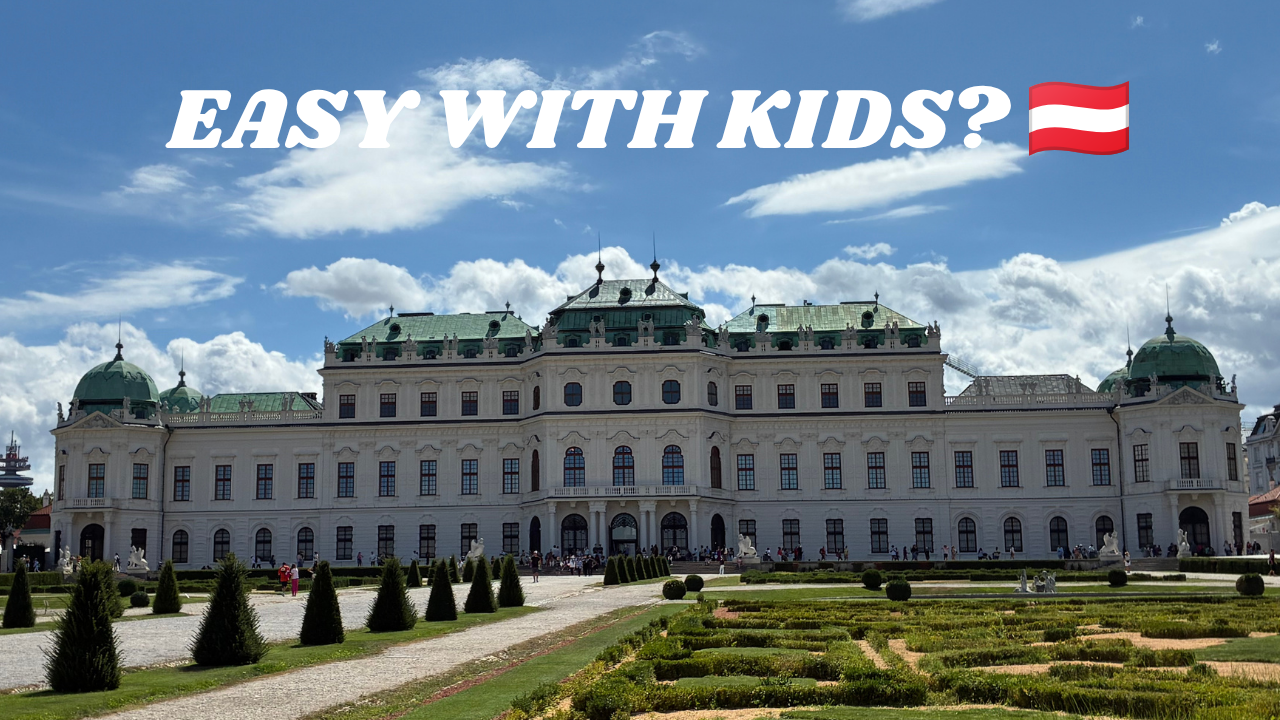
Is Vienna Easy to Explore With Kids? A Practical Family Travel Guide
Vienna might not be the first European city that comes to mind when planning a holiday with children.
When you picture Vienna, you might think of grand palaces, historic buildings, museums and classical music.
But after exploring the city myself, I kept thinking about how well Vienna could work for a family trip.
I visited Vienna solo, so this isn't a review of travelling around the city with children firsthand. Instead, it's my perspective on the things I noticed that could make Vienna easier — or more challenging — for families.
And one of the biggest surprises for me?
You can experience a huge amount of Vienna simply by walking around.
Is Vienna Walkable With Kids?
For me, this was one of Vienna's biggest advantages.
I stayed centrally and found that many of the places I wanted to see were close enough to explore on foot.
You can walk between major sights, stop for food or a drink, take a break in a park and continue exploring without constantly having to organise transport.
For families, I'd approach it slightly differently.
Rather than trying to see everything in one day, group attractions that are close together and build in regular breaks.
A morning could involve exploring the historic centre, followed by lunch and some time in a park before heading out again.
That way, sightseeing doesn't become one long march around the city.
A useful family rule:
Plan the area, not every minute.
Vienna is the kind of city where you can see something interesting simply by walking down the next street.
Do You Need Public Transport?
During my trip, I actually used Uber from the airport rather than Vienna's public transport.
Once I was in the centre, however, I found myself walking most of the time.
That doesn't mean public transport isn't useful.
Vienna has an extensive public transport network, including the U-Bahn, trams and buses, so families have options when little legs have had enough.
The Vienna U-Bahn is particularly useful for covering longer distances quickly.
For a family holiday, I'd combine the two approaches:
Walk when the sights are close together and use public transport when you're travelling further or everyone needs a break.
You don't need to turn getting around Vienna into a complicated operation.
There's History Everywhere
One thing I really liked about Vienna was that you don't have to enter a museum to experience its history.
The historic centre is filled with churches, palaces, squares, monuments and impressive architecture.
You can walk through Stephansplatz, explore the Hofburg, see Heldenplatz, wander through the Graben and continue towards MuseumsQuartier — all while experiencing completely different parts of the city.
For children who enjoy history, architecture or stories about kings and emperors, this could be a great way to introduce them to European history without sitting inside a museum all day.
And even if your children aren't particularly interested in history, the buildings themselves give you plenty to look at.
Don't Make the Whole Day About Sightseeing
This is probably one of my biggest tips for families visiting Vienna.
You don't need to spend the entire day ticking attractions off a list.
Vienna has plenty of green and open spaces where you can slow down between sightseeing stops.
Stadtpark is an easy option for a break, while Heldenplatz and other large open areas around the historic centre give children some space after walking through busy streets.
The Danube Canal is another place where you can take a slower walk and enjoy a different side of the city.
A family itinerary doesn't have to be:
Attraction → attraction → attraction → attraction.
It can be:
Explore → eat → play → relax → explore again.
And I think that's a much more enjoyable way to travel with children.
What About Food?
Vienna gives families plenty of options when it comes to food.
You'll find traditional Austrian dishes alongside international restaurants, cafés, bakeries and plenty of familiar choices.
I also found supermarkets particularly convenient.
I stayed in an apartment-style hotel and ate in most days, so having supermarkets nearby made breakfast, snacks and everyday meals much easier.
For families, this can be surprisingly useful.
You don't necessarily need to eat every meal in a restaurant — especially when travelling with younger children.
Having the option to pick up familiar foods, snacks or drinks can make a busy sightseeing day much easier.
Shopping Can Be Part of the Experience
Vienna's central shopping streets are another easy addition to a family itinerary.
The area around Graben, Kohlmarkt and Kärntner Straße has everything from international brands to luxury shops and traditional stores.
And if you're looking for a small souvenir, Manner wafers are a fun option.
The famous Viennese wafers have been produced in Vienna since 1898, making them a simple edible souvenir to take home.
I also found some great second-hand shops and picked up books, which was a nice reminder that shopping doesn't have to mean expensive souvenirs.
What About the Weather?
This is something I'd definitely consider when planning a Vienna itinerary with children.
A lot of the city is enjoyable on foot, so weather can make a noticeable difference.
On a beautiful day, walking between landmarks and stopping at parks is easy and enjoyable.
But if you're visiting during cold, rainy or very hot weather, you'll probably want a little more flexibility.
I'd avoid planning an entire day around outdoor sightseeing.
Instead, have a mixture of:
Outdoor landmarks
Indoor attractions
Cafés and restaurants
Shopping
Museums or cultural activities
Parks and open spaces
That way, you can change your plans depending on the weather.
Is Vienna Actually Fun for Children?
This depends heavily on the age and interests of your children.
If your children enjoy:
🏛️ Architecture
👑 History
🌳 Parks and open spaces
🍰 Food and sweet treats
🚶 Exploring cities
🎨 Culture
🦁 Animals and attractions
then Vienna gives you plenty of options.
For younger children, you may need to balance the historic sightseeing with more child-focused activities.
Vienna has family attractions including Schönbrunn Zoo, the Prater amusement park and children's museums, so a family trip doesn't have to revolve around historic buildings.
The city also has plenty of opportunities to simply explore without spending money at every stop.
The One Thing I'd Be Careful About
Don't underestimate the walking.
Vienna can feel easy to explore, but that doesn't necessarily mean you should spend eight hours walking around without a break.
For adults, a long walking day might feel manageable.
For children, it can quickly become exhausting.
I'd recommend planning fewer major stops and leaving time for spontaneous discoveries.
And if you're travelling with a stroller, check your route and individual attractions beforehand rather than assuming every entrance or area will be equally convenient.
How I'd Plan a Family Day in Vienna
Rather than creating a packed itinerary, I'd group things geographically.
Morning — Historic Vienna
Start around Stephansplatz and explore the surrounding historic streets.
Walk towards the Hofburg and Heldenplatz, stopping whenever something catches your attention.
Lunch
Find somewhere nearby rather than travelling across the city just for a restaurant.
Afternoon — Slow Down
Choose a park, open space or another relaxed activity.
This gives everyone a chance to recharge.
Late Afternoon — One More Experience
Choose one additional attraction, shopping area or cultural activity rather than trying to fit in five more.
Evening
Keep dinner relatively simple and let the day wind down.
The goal isn't to see absolutely everything.
It's to have enough energy left to enjoy tomorrow.
My Vienna Family Travel Tips
1. Don't over-plan
Vienna rewards wandering, so leave some empty space in your itinerary.
2. Group attractions together
Look at a map and plan your day by neighbourhood rather than jumping backwards and forwards across the city.
3. Pack comfortable shoes
You'll probably walk more than you expect.
4. Plan regular breaks
A coffee stop for adults and a snack or park break for children can completely change the feel of a sightseeing day.
5. Keep some indoor options available
Especially if you're travelling during unpredictable weather.
6. Use public transport strategically
Walk when it's easy and use the U-Bahn, tram or bus when the distance is too much.
7. Don't feel like you need to pay for everything
Some of Vienna's best experiences are simply walking through its historic streets and seeing the architecture.
Watch Our Full Video
🎥 Watch our Vienna experience on YouTube: The Atlas Journey, where we share our full review, tips and experience.
So, Is Vienna Easy to Explore With Kids?
I think Vienna has many of the ingredients that can make a family city break work well.
It's walkable, visually interesting, rich in history and culture, and has plenty of parks, open spaces and family attractions.
But I wouldn't approach it as a checklist of 20 attractions to complete in three days.
I'd slow it down.
Explore one area at a time, give children opportunities to stop and play, use public transport when needed and leave room for the unexpected.
That's actually what I enjoyed most about Vienna myself.
I didn't feel like I constantly needed to be travelling somewhere else to find something interesting.
The city itself was the experience.
And although I explored Vienna solo this time, it's a place I could genuinely imagine returning to with my family.
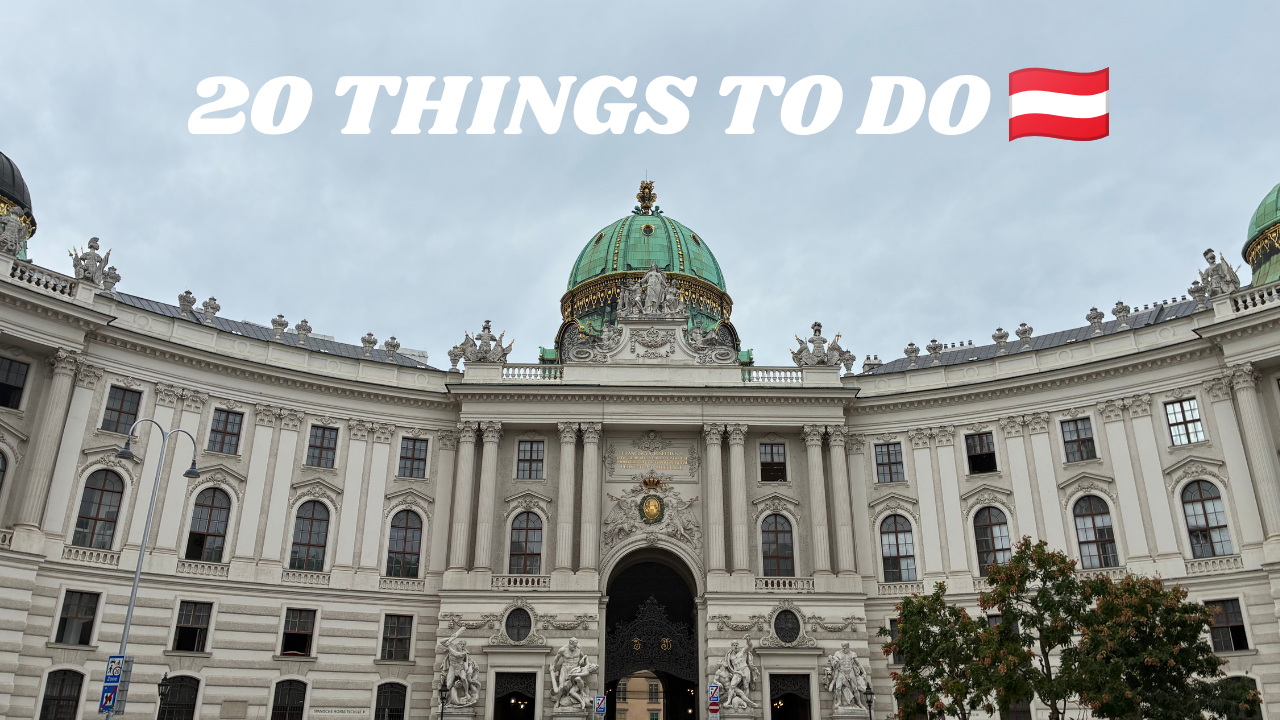
Vienna Travel Guide: 20 Things to See, Do & Experience
Vienna is one of those cities where you can walk around without a strict itinerary and still feel like you've spent the day sightseeing.
From grand imperial buildings and beautiful churches to parks, markets, shopping streets and the Danube Canal, Vienna has an incredible amount to see — and one of the things I enjoyed most was how much of it you can experience simply by walking through the city.
I visited Vienna solo, but throughout my trip I kept thinking about how well many parts of the city could work for a family holiday too. There are plenty of open spaces, fascinating buildings, easy sightseeing and activities for different ages.
If you're planning a trip to Vienna, here are 20 things I'd add to your itinerary.
1. Start at Stephansplatz
Stephansplatz is one of the easiest places to begin exploring Vienna.
At the centre is the impressive St. Stephen's Cathedral, one of Vienna's most recognisable landmarks. From here, you're also perfectly positioned to start exploring the surrounding historic centre.
Take some time to look around the square before continuing down the nearby streets.
2. Walk Along the Graben
From Stephansplatz, head towards the Graben.
This elegant pedestrianised street is lined with historic buildings, shops, cafés and restaurants, making it a great place to experience the atmosphere of central Vienna.
You don't necessarily need a destination here — simply walking through and taking in the architecture is part of the experience.
3. Visit the Hofburg
The Hofburg is one of Vienna's most important historic landmarks and was the centre of the Habsburg monarchy for centuries.
Today, the enormous complex houses museums, historic rooms and other important institutions.
Even if you don't go inside, the scale and architecture make the Hofburg worth seeing from the outside.
4. Stop at Heldenplatz
Right beside the Hofburg is Heldenplatz, one of Vienna's most impressive open spaces.
It's surrounded by monumental buildings and is particularly beautiful when viewed as part of the wider Hofburg complex.
It's also a good place to pause after walking through the historic centre.
5. Just Walk
One of my favourite things about Vienna was simply walking.
The historic centre is packed with landmarks, churches, palaces, streets and beautiful buildings, so you don't always need to plan every stop.
In fact, one of the best ways to experience Vienna is to leave some room in your itinerary to wander.
You don't have to go looking for Vienna's attractions — you find them while you're walking.
6. Look Up at the Architecture
Make sure you actually look up while you're walking.
Vienna has architecture from different periods and styles, and some of the most beautiful details are easy to miss if you're focused only on street level.
The historic centre is recognised as a UNESCO World Heritage site, with Gothic, Baroque and Ringstrasse-era architecture all contributing to the character of the city.
7. Explore MuseumsQuartier
MuseumsQuartier is another interesting part of Vienna to explore.
It's home to museums, cultural spaces, courtyards, cafés and places to relax, making it more than simply somewhere to visit a museum.
Even if museums aren't your priority, the area is worth adding to a Vienna itinerary.
8. See Karlskirche at Karlsplatz
Karlskirche is one of Vienna's most striking churches and sits beside Karlsplatz.
The large dome, columns and surrounding square make this another great architectural stop.
It's also a good example of how Vienna's history isn't confined to one small part of the city — impressive buildings seem to appear everywhere.
9. See the Vienna State Opera
The Vienna State Opera is another iconic building to add to your route.
Even if you're not attending a performance, seeing the building from outside gives you another glimpse into Vienna's long connection with music and culture.
It's located along the Ringstrasse, making it easy to combine with other central sights.
10. Visit the Belvedere
The Belvedere is one of Vienna's best-known palace complexes.
The historic buildings, gardens and surrounding grounds make this a particularly beautiful place to spend some time.
It's also a great option if you want to combine architecture with some outdoor space rather than spending your entire day inside museums.
11. Explore Naschmarkt
If you enjoy markets and food, add Naschmarkt to your itinerary.
It's a lively place to browse different food stalls, restaurants and shops while getting a different feel for the city.
It's also a nice change of pace from the grand historic buildings around central Vienna.
12. Explore Vienna's Shopping Streets
Vienna is also a great city for shopping, particularly if you're looking for a mixture of international brands, traditional stores and everyday essentials.
I travel to Germany fairly often, so I found many of the products familiar, which made shopping particularly easy.
I also came across some great second-hand shops and ended up buying a bunch of books. It was such a nice way to find something unique without spending much.
And if you're looking for a simple souvenir, you can't really go wrong with a box of Manner wafers.
Manner's famous Neapolitan wafers were first created in Vienna in 1898 and are still produced in Vienna today.
13. Don't Overlook the Supermarkets
This might not be the most obvious travel recommendation, but I actually found the supermarkets really useful.
I stayed in an apartment-style hotel, so I ate in most days. Having supermarkets nearby made that incredibly convenient, and I found the prices reasonably manageable for a major European city.
If you're travelling with children, staying somewhere with access to a supermarket can also make everyday meals, snacks and breakfast much easier.
14. Walk Along the Danube Canal
The Danube Canal, or Donaukanal, runs through Vienna and is a completely different side of the city.
You'll find cafés, restaurants, street art and places to sit along the water, making it a nice area for a slower walk.
During my visit, I also noticed how low the water levels were following the unusually hot and dry summer.
If you have time, exploring Vienna from the water can also give you a completely different perspective of the city.
15. Take a Break in Stadtpark
Vienna has plenty of green and open spaces, and Stadtpark is an easy one to include in a central itinerary.
After spending hours walking through streets and historic buildings, having somewhere to slow down and sit for a while makes a big difference.
It's also one of the reasons I could see Vienna working well for families — you don't have to spend the entire day moving from one attraction to another.
16. Getting Around Vienna Is Relatively Easy
I found Vienna particularly easy to navigate.
During my trip, I walked to many of the places I wanted to see and didn't need to rely heavily on public transport once I was in the city centre.
But if you do need it, Vienna has an extensive public transport network including underground trains, trams and buses. The city's official tourism information describes the subway as a fast and convenient way to reach attractions across Vienna.
For me, the biggest surprise was how much I could see simply by walking.
17. Learn a Few Simple German Words
You don't need to speak German to visit Vienna, and English is widely useful for visitors.
But I always think it's worth learning a few simple words before travelling.
Even just knowing how to say:
Hallo — Hello
Guten Tag — Good day
Danke — Thank you
Bitte — You're welcome / Please
can be a lovely way to show respect for the local culture.
It's a small gesture, but I think making that effort is part of the joy of travelling.
18. Try Some Viennese Food
Vienna has plenty of traditional food to discover, from classic Austrian dishes to pastries and sweet treats.
Even if you're not planning your trip around food, trying something local can be an easy way to experience a little more of the culture.
And of course, Vienna's famous Manner wafers make an easy edible souvenir to take home.
19. Experience the History Without Entering a Museum
You don't have to spend your entire trip inside museums to experience Vienna's history.
That was something I particularly enjoyed.
The historic centre itself is full of palaces, churches, monuments, squares and beautifully preserved buildings.
The city's UNESCO-listed historic centre brings together centuries of architecture and history, including medieval Gothic, Baroque and nineteenth-century Ringstrasse architecture.
If museums aren't your thing, you can still learn a lot simply by walking around and paying attention to what you're seeing.
20. Add the Hochstrahlbrunnen to Your Itinerary
One of the more unexpected places I came across was the Hochstrahlbrunnen at Schwarzenbergplatz.
The monumental fountain dates back to 1873 and was created to celebrate the completion of Vienna's first high-source water pipeline. It has a huge central fountain surrounded by numerous smaller water jets.
It's not necessarily one of the first attractions people think of when planning Vienna, which is exactly why I enjoyed discovering it.
It's a beautiful place to stop, take a few photos and appreciate another piece of Vienna's history.
Is Vienna Family-Friendly?
Although I explored Vienna solo on this trip, I could easily see why it would work well for a family holiday.
The city offers a combination of historic sights, parks, open spaces, museums, cultural attractions and activities designed specifically for children. Vienna's official tourism organisation also highlights family attractions ranging from parks and museums to the Prater and Schönbrunn Zoo.
For me, one of the biggest positives would be the variety.
You can spend the morning exploring historic buildings, stop for food, have some time in a park and then continue sightseeing without every activity needing to be a formal attraction.
The main thing I'd keep in mind is that Vienna can involve a lot of walking. With younger children, planning regular breaks would make a walking-heavy itinerary much more enjoyable.
A Few Practical Things I Loved About Vienna
One of the things that stood out most to me was how easy Vienna felt to explore.
I loved that there was so much to see without constantly needing to book attractions or travel across the city.
I also found supermarkets, pharmacies and everyday shopping convenient, particularly because I was staying somewhere with a kitchenette.
And while I travelled alone, I personally found the city comfortable to explore and easy to navigate.
Of course, everyone's experience will be different, but for me, Vienna felt like a city where you can be independent, explore at your own pace and still have plenty to discover.
Watch Our Full Video
🎥 Watch our Vienna experience on YouTube: The Atlas Journey, where we share our full review, tips and experience.
Is Vienna Worth Visiting?
For me, Vienna stood out because of the combination of architecture, history, culture, open spaces and ease of exploring.
It's a city where even an ordinary walk can turn into sightseeing.
I visited solo this time, but I could absolutely imagine returning with my family and experiencing the city in a completely different way.
If you enjoy beautiful architecture, European history, culture, food, shopping and cities that reward simply getting out and exploring, Vienna is a destination worth considering.
And my biggest tip?
Don't plan every minute. Leave some time to walk, look up and see what you discover.
Planning Your Vienna Trip?
Save this guide for later and use it as a starting point when building your Vienna itinerary.
And if you'd like to see what these places actually look like, check out the The Atlas Journey Vienna Travel Guide on YouTube, where I take you through 20 things to see, do and experience around the city.
Happy exploring! 🇦🇹
The Atlas Journey Family Check
Walkability: ⭐ Vienna is a great city to explore on foot, particularly around the historic centre.
Family-friendly: Vienna has plenty of family attractions, parks, open spaces and cultural experiences.
Culture & history: History is visible throughout the city — you don't need to visit a museum to experience it.
Practicality: Supermarkets, pharmacies, shopping and public transport make everyday travel relatively straightforward.
Best for: Travellers who enjoy architecture, history, culture, food, walking and exploring at their own pace.
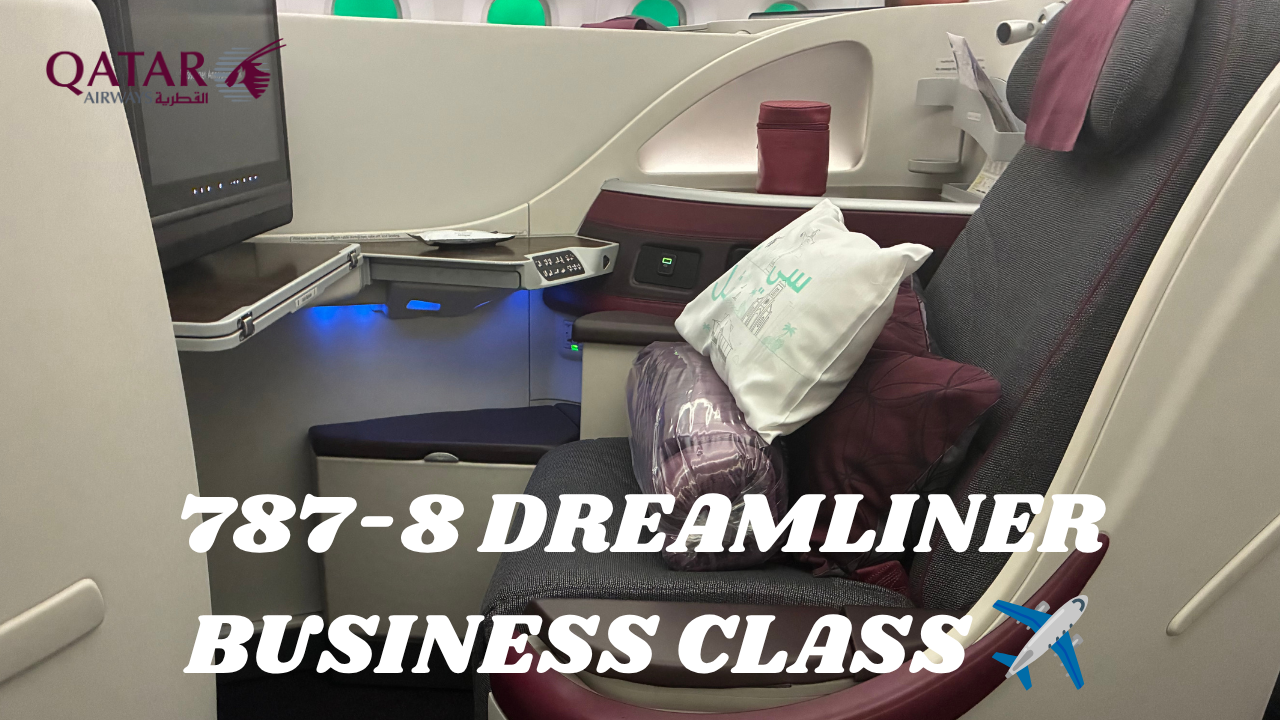
Qatar Airways 787-8 Dreamliner Business Class: My Doha to Vienna Experience
There is something exciting about starting a European trip with a Business Class flight — especially when you're flying from Doha with Qatar Airways.
For the beginning of my Vienna trip, I flew from Doha to Vienna in Qatar Airways Business Class on the Boeing 787-8 Dreamliner.
I've previously experienced Qatar Airways' famous Qsuite as well as Business Class on the A380, so I was interested to see how the 787-8 compared.
The short answer? It's a smaller and simpler Business Class experience, but it is still a very comfortable way to fly.
The Qatar Airways 787-8 Business Class Cabin
One of the first things I noticed about the 787-8 Business Class cabin was its size.
Unlike the huge A380, the Dreamliner feels much more intimate. Qatar Airways' 787-8 has a relatively small Business Class cabin, with the airline's published configuration showing 22 Business Class seats alongside 232 Economy seats on the original 254-seat configuration.
The Business Class cabin uses a 1-2-1 configuration, which is one of the features I really appreciate.
It means every passenger has direct access to the aisle rather than having to climb over another passenger when getting up.
For a daytime flight from Doha to Vienna, this was particularly convenient. I had my own space, easy access to the aisle and plenty of room to settle in for the journey.
A Fully Lie-Flat Seat — Without the Qsuite Door
If you've flown Qatar Airways before, you may automatically associate Business Class with Qsuite.
The 787-8 is different.
The Business Class seats on this aircraft don't have the sliding doors that you'll find on Qatar Airways' Qsuite product. Qatar Airways specifically identifies the 787-9 as the Dreamliner variant with the newer Business Class suites and privacy doors.
So while the 787-8 doesn't give you that enclosed private-suite feeling, the seat itself is still a major reason to choose Business Class.
It converts into a fully flat bed, making it possible to stretch out properly during the flight.
Qatar Airways' published specifications list the 787-8 Business Class seat at around 22 inches wide, with the bed extending to roughly 77–80 inches depending on the configuration.
For me, the ability to fully lie down makes a huge difference. Even when you don't necessarily need to sleep, being able to change position and stretch out makes the flight feel considerably more relaxing.
How Does It Compare With Qsuite?
This was probably the biggest difference I noticed.
I've already shared my experience flying Qatar Airways Qsuite, and if privacy is your number-one priority, Qsuite is definitely a different experience.
The Qsuite has the famous sliding doors, creating a much more private personal space.
The 787-8 doesn't offer that.
Instead, the experience feels more like a traditional premium Business Class cabin — open, spacious and comfortable, but without the enclosed suite.
That doesn't make it a bad Business Class product. It's simply a different experience.
For a flight such as Doha to Vienna, I was perfectly happy with the 787-8 seat.
And What About the A380?
The other Qatar Airways Business Class experience I've previously had is the A380.
That's another interesting comparison because the A380 has something the 787-8 doesn't: the famous onboard bar and lounge area.
The A380 is a completely different aircraft experience. It's enormous, and simply walking around the aircraft gives you that feeling that you're travelling on something much larger.
The 787-8 feels considerably smaller.
There isn't an equivalent Business Class bar area, so if that's something you particularly enjoy about the A380, it's worth knowing before you book.
But personally, I don't think the absence of a bar takes away from the main purpose of Business Class — having a comfortable seat, good food, personal space and the ability to properly relax.
The Food and Drinks
One of the things I always enjoy about flying Business Class is seeing what is offered on the menu.
On this flight, we were given a selection of food and drinks, and I found everything I chose to be nicely presented and enjoyable.
I also had some snacks and drinks during the flight, which made the journey feel more like an experience rather than simply transportation.
Qatar Airways provides complimentary meals across its flights, with special meals available for passengers with dietary requirements.
As someone who enjoys travelling for the destination but also appreciates the journey itself, I find the food and drink service is one of those little things that makes flying Business Class feel special.
What About Pyjamas and the Amenity Kit?
One thing worth mentioning is that this was a daytime flight, so we weren't automatically provided with pyjamas.
We did, however, receive a toiletry/amenity pack.
This is another area where expectations can vary depending on the flight and aircraft, so I wouldn't necessarily book Business Class based on whether or not pyjamas are provided.
For me, the seat, comfort and overall service are much more important.
The 787-8 Business Class seat also includes personal storage, a power outlet and USB connectivity, while Qatar Airways' current information lists personal entertainment screens and Wi-Fi availability as features of its 787 fleet.
A Few Interesting Facts About the Boeing 787 Dreamliner
The 787 isn't just interesting because of its Business Class cabin.
It's also a pretty fascinating aircraft.
The Dreamliner was designed with a number of features intended to improve the passenger experience, including larger windows, improved cabin humidity, lower cabin altitude and enhanced ventilation compared with many older aircraft.
And those windows are particularly recognisable because they don't use traditional pull-down shades. Instead, the 787 uses electrochromic dimming, allowing passengers to electronically darken the windows. Qatar Airways lists this as one of the key features of its 787 fleet.
The aircraft is also designed to be more fuel efficient and quieter than previous-generation aircraft. Qatar Airways says its 787 uses around 25% less fuel and produces lower CO₂ emissions and less noise than previous-generation aircraft.
So there's quite a bit more to the Dreamliner than just its distinctive shape.
My Overall Experience
Overall, I really enjoyed my Qatar Airways 787-8 Business Class experience from Doha to Vienna.
It wasn't Qsuite.
It didn't have the A380's bar.
And it wasn't the biggest or most extravagant Qatar Airways Business Class cabin I've experienced.
But it was comfortable, relaxed and enjoyable — and ultimately, that's what I wanted for the start of my Vienna trip.
The fully lie-flat seat was probably the biggest highlight for me. Having the ability to stretch out properly, combined with direct aisle access, good food and drinks and the attentive Qatar Airways service, made for a very comfortable journey.
If you're comparing Qatar Airways Business Class products, I'd describe them like this:
Qsuite: the choice for privacy and the most luxurious Business Class experience.
A380 Business Class: the choice if you want the larger aircraft experience and the famous onboard bar.
787-8 Business Class: a smaller, more intimate cabin with comfortable fully lie-flat seats and direct aisle access.
And for my Doha-to-Vienna journey, the 787-8 did exactly what I needed it to do — it got me to Europe feeling comfortable and ready to start exploring Vienna.
Watch Our Full Video
🎥 Watch our Qatar Airways 787-8 Dreamliner experience on YouTube: The Atlas Journey, where we share our full review and experience.
Starting the Vienna Journey
This flight was just the beginning of my Vienna adventure.
From Doha Airport to arriving in Austria, the journey itself became part of the experience — and there's plenty more to come from Vienna.
If you'd like to see exactly what the Qatar Airways 787-8 Business Class experience looked like, I've shared the full flight experience on The Atlas Journey, including the cabin, seat, menu, food, drinks, aircraft and journey from Doha to Vienna.
And if you're interested in comparing the different Qatar Airways Business Class products, you can also check out my previous experiences with Qsuite and the A380 Business Class.
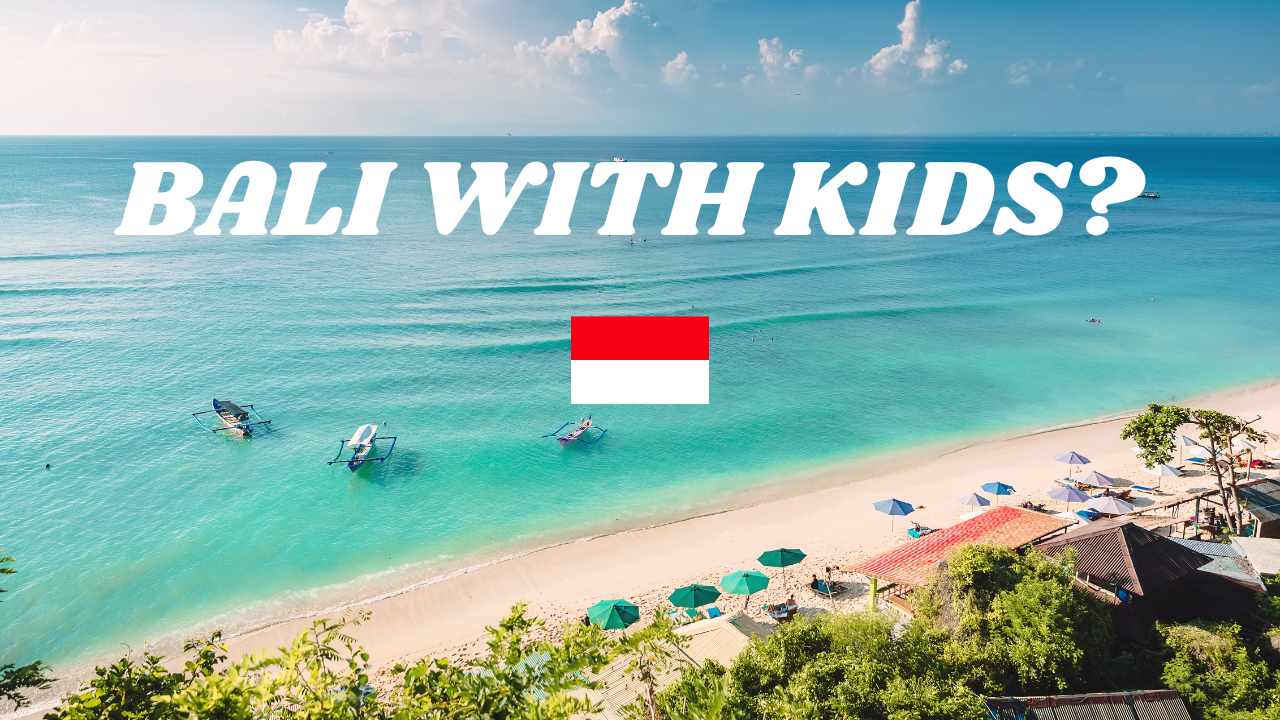
Bali With Kids: 10 Things to Know Before Your First Family Trip
Bali is one of those destinations that can be wonderful for families — but your experience can be very different depending on where you stay, how much you try to do and how prepared you are.
I’ve been travelling to Bali for more than 30 years, and visiting as a family has given me a completely different perspective on the island.
If you're planning your first trip to Bali with children, these are some of the things I think are worth knowing before you go.
1. Where You Stay Can Make a Huge Difference
Before booking a hotel, think about which part of Bali will work best for your family.
Bali isn't a destination where you necessarily want to spend hours travelling every day. Choosing an area with restaurants, shops, beaches and activities nearby can make family life much easier.
For us, Sanur is a favourite.
It's a more relaxed beachfront area with plenty of accommodation, restaurants and cafés, and we find the atmosphere particularly welcoming for families. There are also plenty of hotels with family rooms, pools and apartment-style accommodation.
One place we particularly enjoy is Shotgun Social, which is great for families because the kids have a large wooden playground to enjoy while parents can sit down for a meal. They also run events such as Sunday Funday and Taco Tuesday.
For a first family trip, I'd strongly recommend choosing your location based on the type of holiday you want, rather than simply choosing the hotel with the best photos.
2. Distances on the Map Can Be Misleading
One of the biggest adjustments for first-time visitors is understanding Bali's traffic.
A destination might look only a short distance away, but the journey can take considerably longer than expected.
Sanur to Ubud is a perfect example. A journey that could once take around 45 minutes can now sometimes take two hours or more depending on traffic.
With children in the car, that's something you need to factor into your itinerary.
Rather than planning several different areas in one day, try grouping activities together geographically. You'll spend less time travelling and more time actually enjoying Bali.
3. Don't Feel Guilty About Having a "Nothing" Day
Family holidays don't need to be a constant list of activities.
In fact, children will often be perfectly happy spending an entire morning or afternoon swimming in the hotel pool or playing on the beach.
If your accommodation has a good pool, make the most of it!
A few inexpensive pool or beach toys can keep younger children entertained for hours. You can easily pick up simple toys once you're in Bali if you don't want to pack them.
It's also worth considering the location of your accommodation. Having a café, restaurant or beach club nearby means you can grab food and drinks without turning a relaxing afternoon into another family outing.
Some of the most enjoyable holiday memories can come from simply slowing down.
4. Expect a Very Warm Welcome
Bali's people are a huge part of what makes the island special.
Balinese people are generally incredibly friendly and welcoming, and families often find that children receive lots of smiles and attention.
For us, this is one of the reasons Bali has always felt so comfortable.
It's also a wonderful opportunity to introduce children to Balinese culture. Take the time to teach them about being respectful around temples, ceremonies and local customs.
The experience becomes much more meaningful when children aren't just seeing Bali, but learning a little about the culture too.
5. Take a Sensible Approach to Food and Water
You don't need to be afraid of eating in Bali.
The island has an enormous variety of food, and the quality and choice available today is far greater than it was decades ago.
We still enjoy eating at local markets and smaller establishments.
However, if it's your family's first visit, particularly if your children aren't used to travelling in tropical destinations, it's sensible to ease into things.
For drinking, use bottled or properly treated water and make sure children understand not to drink untreated tap water.
When eating somewhere unfamiliar, consider how the food is being handled and prepared. If something doesn't look right, choose something else.
You can still enjoy local Indonesian food — just take a sensible approach.
6. Know About Bali Belly and Protect Against Mosquitoes
Bali belly isn't inevitable, but it is something travellers should be prepared for.
Children can be particularly difficult to manage when they're unwell, so having a few essentials packed before you travel can make things easier.
Bring any medications your family normally relies on, along with things such as hydration sachets and basic first-aid supplies.
Mosquitoes are another consideration. Dengue and other mosquito-borne illnesses occur in Bali, so make insect repellent part of your packing list.
Apply repellent when you're spending time outdoors and take extra precautions during periods when mosquitoes are particularly active.
A few simple preventative measures can make a big difference.
7. Don't Underestimate the Tropical Sun
Bali's sunshine is one of its biggest attractions — but children can quickly become overheated or sunburnt.
Pack the basics before you leave:
Sunscreen
Sun hats
Sunglasses
Rash vests or UPF swimwear
Reusable water bottles
For younger children, protective swimwear is particularly useful when they're spending lots of time in the pool or at the beach.
Try to build some shade and rest time into your day rather than spending hours in direct sunlight.
And remember that swimming can be tiring too, so make sure everyone gets plenty of water and breaks.
8. Travelling With Babies Requires a Little Extra Planning
If you're bringing a baby or toddler, think carefully about how you'll get around.
A compact stroller or baby carrier can be much easier to manage than a large pram, particularly when navigating narrow or uneven footpaths.
If you're using taxis, ride-share services or private drivers, check your transport arrangements before you travel. Child seats aren't always readily available, so if having one is important to you, arrange it ahead of time.
You can also find baby-equipment hire companies in Bali that rent items such as prams and car seats, which can save you from bringing bulky equipment from home.
And one of my favourite parent travel tips: keep baby wipes or tissues with you at all times.
An unexpected toilet stop can happen anywhere — especially during a long car journey or when you're travelling through smaller villages — and you can't always rely on having the supplies you're accustomed to.
9. Keep Some Cash Handy
Bali is increasingly convenient for card payments, particularly in hotels, larger restaurants, shops and tourist areas.
However, cash is still useful.
Local markets, small roadside shops and businesses in smaller villages may not accept cards, so having some Indonesian rupiah in your wallet is a good idea.
This becomes particularly useful when you're taking a day tour away from the main tourist areas.
And if you're travelling with children, pack a small day bag with water and snacks. You might find a little shop along the way, but it's always better to have something available when hunger strikes.
10. Do the Preparation Before You Fly
A little organisation before your holiday can save you a lot of stress once you're there.
Make sure you've checked the current entry requirements and completed any necessary arrival documentation before travelling. Have your accommodation confirmed and make sure everyone has appropriate travel insurance.
For families, I'd also recommend putting together a small travel health kit.
Pack the medications your family normally uses, along with basics such as pain relief, bandages and hydration products. Familiar brands can also be easier to have with you than trying to find what you need after someone becomes unwell.
Finally, save the details of a nearby hospital or medical centre to your phone before you arrive.
Hopefully you won't need it, but knowing where to go in an emergency is one less thing to worry about.
Planning a Bali Trip?
Watch our full video on YouTube: The Atlas Journey, where we share all our Bali with kids tips!
The Biggest Tip? Slow Down.
Bali doesn't have to be a race.
You don't need to visit every temple, waterfall, beach club and attraction during one holiday.
With children especially, giving yourself time to enjoy the hotel, swim in the pool, eat good food and explore your local area can make the trip much more enjoyable.
And after more than 30 years of visiting Bali, that's something I've learnt over and over again: sometimes the best parts of Bali aren't the things you planned to see — they're the moments in between.
If you're planning your first family trip, I hope these tips help you feel a little more prepared.
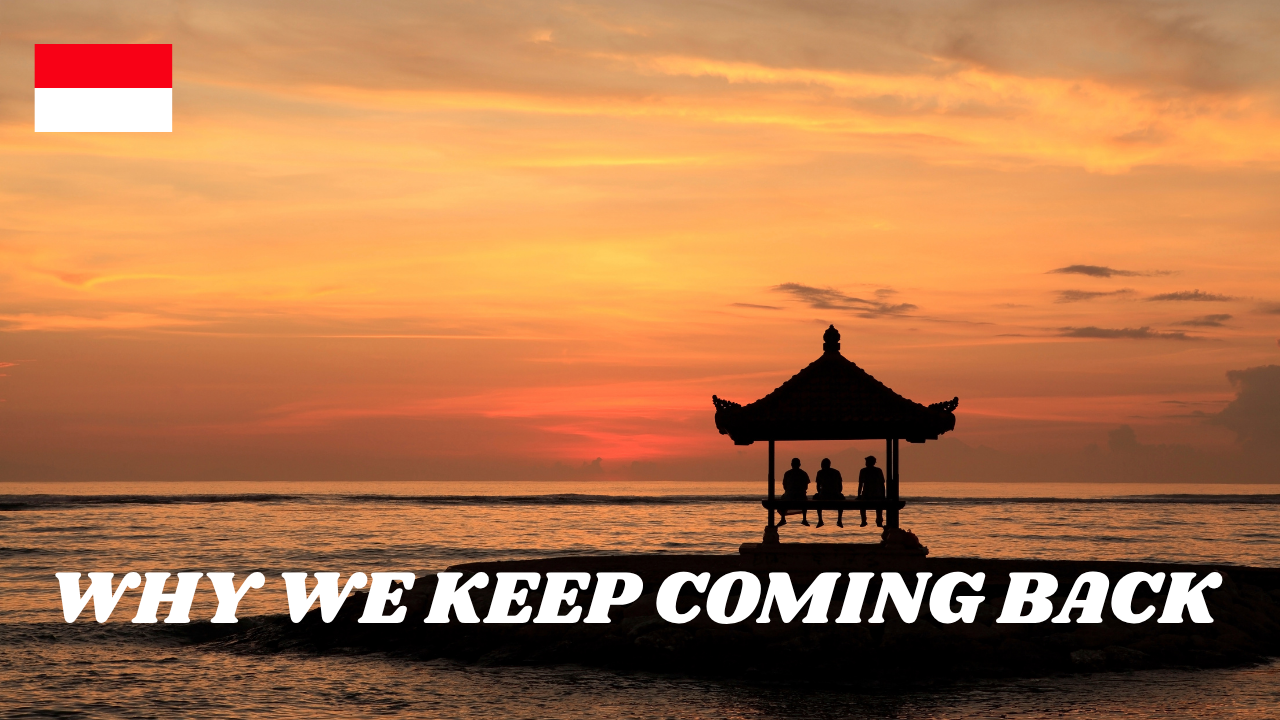
Sanur, Bali: Our Favourite Area to Stay | Hotels, Restaurants, Spas & More
Sanur, Bali has been one of our favourite places to stay for many years.
I've been travelling to Bali since I was five years old, and over more than 30 years I've watched the island transform from a much quieter destination into one of the world's most popular holiday spots.
While many parts of Bali have become increasingly busy and developed, Sanur has always had a slightly different feeling.
It's relaxed, easy to get around, family-friendly and has a great mix of beaches, restaurants, cafes, shops, spas and accommodation.
For our family, it's one of those places that just feels easy.
And after returning to Bali for more than three decades, that's something I really value.
Why Stay in Sanur?
Sanur is a fantastic option if you want to experience Bali without being right in the middle of the busiest tourist areas.
The beachfront is lined with a long pathway that's popular for walking and cycling, and there are plenty of restaurants, cafes, shops and hotels within easy reach.
It's also particularly appealing for families.
You can have a relaxed morning at the beach, find somewhere for lunch, enjoy a spa treatment in the afternoon and finish the day with dinner nearby without spending hours sitting in traffic.
Sanur also makes a convenient base if you want to explore other parts of Bali while still returning to somewhere quieter at the end of the day.
A Note About Bali Hotel Standards
One thing I always recommend to first-time visitors is to adjust your expectations slightly when it comes to accommodation in Bali.
Bali is a tropical island, and the combination of heat, humidity and heavy rainfall can cause buildings, furniture and rooms to age faster than you might expect.
So even a hotel that was built relatively recently can sometimes look or feel more weathered than you would expect from its age.
It's also not unusual to occasionally encounter mosquitoes or other insects in a room, even in higher-end accommodation. You're staying in a tropical environment, after all.
That doesn't automatically mean a hotel isn't clean or well maintained.
For this reason, I recommend paying close attention to recent guest reviews and current photographs, rather than judging a property purely by its star rating, age or promotional photos.
For us, cleanliness, friendly staff, location, overall experience and value are much more important than everything looking brand new.
Our Sanur Hotel Recommendations
We've stayed in a variety of accommodation around Sanur, from smaller intimate hotels through to luxury resorts.
Here are some of the properties we've personally experienced or would recommend looking at across different budgets.
Samaradana — Affordable & Intimate
If you're looking for somewhere smaller and more affordable, Samaradana is one we've stayed at and enjoyed.
It's an intimate property rather than a large resort, which gives it a more personal feel.
There are several room options, including standard and double rooms, as well as studio-style apartments with a kitchenette.
There's also a small swimming pool.
For us, one of the biggest positives was the staff. They were incredibly friendly and welcoming, which can make such a difference when you're staying somewhere for several nights.
It's a good choice if you don't want to spend a large portion of your Bali budget on accommodation and would rather put that money towards restaurants, activities and exploring.
The Kayangan Sanur — Apartment-Style Mid-Range
The Kayangan Sanur is another interesting option, particularly if you like the idea of having a little more space and apartment-style accommodation.
One of the highlights is the rooftop swimming pool, which has beautiful views towards the beach.
The property has double rooms as well as larger suite/apartment-style accommodation, with kitchenettes available in some room types.
The rooms are a decent size and the beach is only around a five-minute walk away.
One thing to be aware of if you're booking a kitchenette is that, in our experience, there was an additional charge if we wanted gas connected to the stovetop.
It's worth checking exactly what's included with your particular room before booking.
THE 1O1 Bali Oasis Sanur
Another mid-range option worth considering is THE 1O1 Bali Oasis Sanur.
This is a larger four-star property located along the main Sanur area, putting you close to restaurants, shops and plenty of things to do.
One of the standout features is its large lagoon-style swimming pool, along with a second pool and spa facilities.
There are a range of accommodation options, including studio rooms, lagoon-access rooms and family rooms.
For families, the family duplex rooms can be particularly appealing because they offer more space and can accommodate up to four guests.
The beach is a little further away than it is from The Kayangan, but you're very conveniently located for Sanur's main restaurant and shopping area.
Maya Sanur Resort & Spa — Luxury
If you're looking for something more luxurious, Maya Sanur Resort & Spa is a beautiful option.
The resort sits directly on the beachfront and has a more contemporary luxury-resort atmosphere.
There are a range of rooms and suites, including options with lagoon pool access, as well as restaurants, swimming pools and the resort's spa.
This is the kind of property where you can spend a significant amount of your holiday simply enjoying the resort itself.
It's a good option if you want the convenience of a luxury hotel while still being able to walk out into Sanur and explore the restaurants and shops.
Hyatt Regency Bali — Luxury Resort
Another luxury option is Hyatt Regency Bali.
This is a much larger resort experience, set within extensive tropical gardens and directly by the beach.
It's a beautiful choice if you want a traditional full-service luxury resort, with multiple pools, restaurants, lush gardens and plenty of space.
The resort has hundreds of rooms and a much more expansive feel than some of the smaller Sanur properties.
Which Sanur Hotel Should You Choose?
There's no single best hotel for everyone.
If you're travelling on a tighter budget and want somewhere small and friendly, Samaradana is worth looking at.
For more space and an apartment-style setup, The Kayangan is interesting.
For families wanting more resort facilities and a central location, THE 1O1 Bali Oasis is worth considering.
And if your priority is a luxury beachfront experience, Maya Sanur and Hyatt Regency Bali are two properties to put on your list.
ICON BALI
Another newer addition to Sanur is ICON BALI, located along Jalan Danau Tamblingan.
For visitors, it provides another option for shopping, dining and entertainment, and it's particularly useful when you need a break from the heat.
For families, having somewhere air-conditioned nearby can be a real bonus.
It's another example of how Sanur continues to develop while still remaining a relatively relaxed part of Bali.
Best Spas in Sanur
For me, a Bali holiday isn't complete without at least one massage or spa treatment!
Two places we particularly like are KOA and The Nest.
The Nest Beachside Spa
The Nest Beachside Spa is located directly on Sanur Beach, with views towards the Bali Sea and Nusa Lembongan. They offer massages, body treatments, facials, manicures and pedicures, among other treatments.
One thing that makes it particularly appealing is the beachfront setting. You get that beautiful tropical Sanur atmosphere before and after your treatment.
They also offer a selection of child-friendly treatments, although children need to be supervised and considerate of other guests.
The Nest recommends booking ahead, particularly if you have a specific day and time in mind.
There's also The Nest Boutique Spa, located on Jalan Danau Tamblingan, if you'd prefer a spa in the heart of Sanur rather than directly on the beach.
Our Favourite Places to Eat in Sanur
One of the things we love about Sanur is the variety of food.
You can find everything from local Indonesian food to Italian, international restaurants, bakeries, cafes and family-friendly dining.
Here are some of our personal favourites.
Shotgun Social
If you're travelling with children, Shotgun Social is definitely worth knowing about.
The restaurant has a large playground, making it much easier for parents to enjoy their meal while the kids have somewhere to play. The restaurant describes itself as family-friendly and also has kids' activities, live music and other events.
Our favourite events have been their Sunday Funday family days, with activities for children throughout the day.
We also love their Taco Tuesday and the live music.
Promotions and event schedules can change, so always check their current calendar before you go.
Massimo Italian Restaurant
Massimo is one of our absolute favourites for Italian food in Sanur.
It's located along Jalan Danau Tamblingan and is particularly famous for its Italian food and homemade gelato.
And honestly, even if you're not planning a full meal, I'd recommend stopping by for the gelato!
It's become a bit of a Sanur institution and is one of those places we return to every time we're in the area.
More Sanur Restaurants & Cafes to Try
There are plenty of other places we enjoy around Sanur, including:
Over the Moon
Smörgås
Sala Bistro Sanur
Madin
Bread Basket
Le Croissant
These are great ones to save if you're looking for breakfast, coffee, lunch, pastries, dinner or something sweet.
Is Sanur Good for Families?
For our family, absolutely.
That's one of the biggest reasons we keep choosing it.
Sanur offers a combination of:
A relaxed atmosphere
Beach access
Restaurants within walking distance
Family-friendly dining
Plenty of accommodation choices
Shopping
Spas
Activities
A more laid-back atmosphere than some of Bali's busier areas
It's not completely quiet or untouched — Sanur has definitely developed over the years — but it still feels much more relaxed than some of the island's more heavily developed tourist areas.'
Planning a Bali Trip?
Watch our full video on YouTube: The Atlas Journey, where we share all our tips about Sanur.
Why We Keep Coming Back to Sanur
After more than 30 years of visiting Bali, we've seen the island change in so many ways.
And while we love exploring new parts of Bali, Sanur continues to be one of those places we return to again and again.
Maybe it's because it's easy.
You have the beach, restaurants, cafes, shops, spas and hotels all close together, but you don't necessarily feel like you're in the middle of the busiest part of Bali.
For families, couples, older travellers or anyone who simply wants a more relaxed Bali experience, I think Sanur is well worth considering.
And that's ultimately what makes it one of our favourite places to stay.
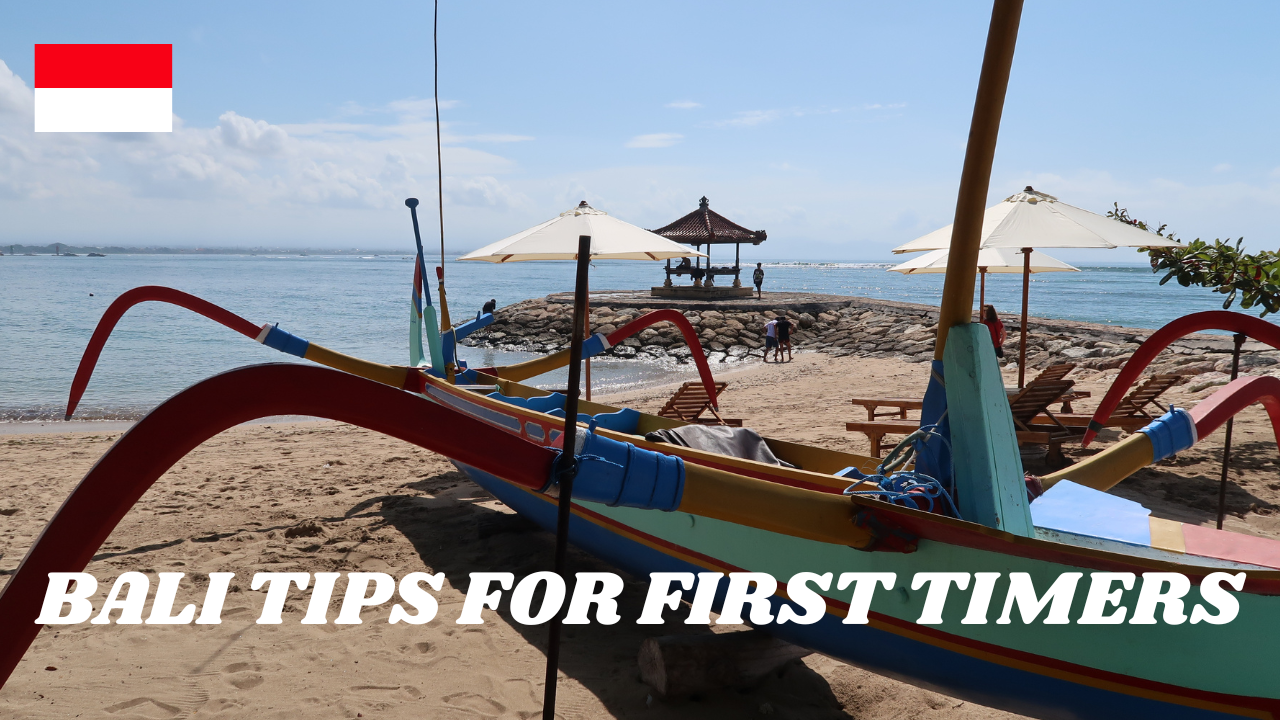
Bali Travel Guide for First-Time Visitors: Everything You Need to Know Before You Go
I've been travelling to Bali for over 30 years, and I've watched this island completely transform from the Bali I knew as a child into the destination it is today.
Bali has changed enormously over the years. Some areas that I remember as quiet and relatively undeveloped are now some of the busiest tourist destinations on the island, while other areas still have that slower, more traditional feeling that first made me fall in love with Bali.
After more than 30 years of visiting, I've learnt that having a great Bali holiday isn't just about finding beautiful beaches or booking a gorgeous hotel.
It's about knowing what to organise before you arrive, understanding how to get around, choosing the right area for your type of holiday and knowing what to expect when you get there.
So if you're planning your first trip to Bali, this guide covers the practical things I think you should know before you go.
Before You Fly to Bali
Check Your Visa Requirements
Before you even get on the plane, check which Indonesian visa or entry option applies to your nationality.
For many tourists, this will be the Visa on Arrival or electronic Visa on Arrival.
If you're eligible for an e-VOA, I personally recommend organising it online before you fly rather than waiting until you arrive.
After a long international flight, the last thing you want is to spend extra time standing in queues at the airport.
Official Indonesian e-Visa website:
Indonesia e-Visa / e-VOA
Complete Your All Indonesia Arrival Declaration
Indonesia's All Indonesia system brings together the immigration, customs, health and quarantine arrival declarations.
Complete this before you travel and save your confirmation or QR code to your phone.
I also recommend taking a screenshot so you have it available even if you don't have internet when you land.
Official website:
All Indonesia Arrival Declaration
Don't Forget the Bali Tourism Levy
Foreign tourists visiting Bali are currently required to pay the Bali Tourism Levy.
The current levy is IDR 150,000 per foreign visitor.
I recommend paying it online before you arrive so you have one less thing to organise at the airport.
Official website:
Love Bali – Official Bali Tourism Levy Website
My pre-flight checklist
Before you leave home, have these ready:
Passport
Visa/e-VOA if required
All Indonesia arrival declaration
Bali Tourism Levy
Accommodation confirmation
Airport transfer details
Travel insurance
Return/onward flight details
Save copies of everything to your phone.
Money in Bali: Cash, Cards or Wise?
Bali has changed considerably when it comes to paying for things.
In many hotels, larger restaurants, shops and tourist businesses, you can use debit cards, credit cards and travel cards such as Wise.
However, I still recommend carrying Indonesian rupiah.
Once you venture into smaller villages, local warungs, traditional markets, small shops and more rural areas, cash becomes much more useful — and sometimes it's the only option.
The best approach is to have a combination of:
Indonesian rupiah
Debit or credit card
Wise or another travel card
You can also bring cash in your home currency and exchange it once you're in Bali.
Major international currencies such as Australian dollars, US dollars, euros and British pounds are commonly exchanged, along with other major currencies.
Always use an authorised money changer and count your money carefully before leaving.
Official currency information:
Indonesia Travel – Currency Information
Arriving at Bali Airport
Once you've landed at Ngurah Rai International Airport, you'll go through immigration, collect your luggage and head towards arrivals.
One of my biggest airport tips is:
Don't feel pressured to accept help with your luggage.
You may have people offering to carry your bags around baggage collection and arrivals.
If you don't need help, simply say:
“No thank you.”
And keep walking.
You also don't have to accept the first taxi or transfer someone offers you outside the airport.
Having your transport organised before you arrive can make the whole process much easier.
How to Get Around Bali
You have several options for getting around Bali.
Depending on where you're staying, you can use:
Grab
GoJek
Private drivers
Pre-booked airport transfers
Official taxis
Klook
For shorter journeys, Grab and GoJek can be incredibly convenient where available.
For full days of sightseeing, I personally recommend considering a private driver.
You don't need one for your entire holiday.
Instead, hire a driver for days when you're visiting multiple attractions such as temples, waterfalls, rice terraces or other destinations.
And remember: Bali traffic can make short distances take much longer than you expect.
Don't Skip Travel Insurance
Travel insurance is one thing I would never recommend travelling without.
It's especially important if you're planning to:
Ride a motorbike or scooter
Visit rural areas
Go diving or snorkelling
Participate in adventure activities
Travel with children
If you're planning to ride a motorbike, make sure your insurance specifically covers you and that you meet all the policy requirements regarding licences, helmets and local laws.
Don't assume that simply having travel insurance means you'll automatically be covered.
Health in Bali: Bali Belly & Dengue Fever
Bali is a tropical destination, and travellers can still experience things like Bali belly and dengue fever.
Basic precautions can go a long way.
Consider:
Using mosquito repellent
Staying hydrated
Taking care with food and water
Washing your hands regularly
Using appropriate sun protection
If you become seriously unwell, seek medical advice.
Official health information:
CDC – Indonesia Travel Health Information
Pharmacies & Medical Care
Bali has many pharmacies, clinics and medical facilities, particularly in the main tourist areas.
If you need medication, speak with a pharmacist and explain what you're looking for.
One useful tip is to ask whether there is a generic version available.
Generic medication can sometimes be considerably cheaper than well-known international brands.
Always check the active ingredients and dosage rather than assuming two products are identical.
If you take regular prescription medication, bring enough for your trip and keep it in its original packaging.
Where Should You Stay in Bali?
This is one of the biggest decisions you'll make.
Bali isn't one single destination.
Each area has its own personality, atmosphere and type of traveller.
Kuta & Legian
Busy, convenient and established.
You'll find plenty of restaurants, shops, hotels and nightlife, and you're close to the airport.
Great for convenience and having lots happening around you.
Not my first choice if you're looking for peaceful Bali.
Seminyak
More stylish and upscale, with restaurants, boutiques, beach clubs, hotels and villas.
A good option if you want shopping, restaurants and nightlife close by.
Canggu
One of Bali's biggest hotspots.
Popular with younger travellers, surfers, digital nomads, cafes and restaurants.
However, Canggu has changed dramatically over the years and traffic can be a major issue.
Don't choose it simply because it looks beautiful on Instagram.
Nusa Dua
A more resort-focused area with beautiful beaches, large resorts and a polished atmosphere.
Particularly popular with families and travellers looking for a relaxing resort holiday.
Ubud
A completely different experience.
Think rice terraces, temples, art, wellness and jungle scenery.
Central Ubud can be busy, however, so don't automatically expect a completely secluded jungle experience.
Sanur
One of my favourite places in Bali.
Sanur is relaxed, family-friendly and generally much calmer than some of the busier southern areas.
The beachfront promenade, restaurants and slower pace make it one of my favourite choices for families or anyone wanting a more relaxed Bali experience.
And for me, Sanur still holds some of that feeling of the Bali I've known for so many years.
Lovina
Further north, Lovina offers a much quieter experience.
It's a great option for travellers looking for a slower pace and a less developed part of Bali.
The Gili Islands
The Gili Islands aren't technically part of Bali — they're off the coast of Lombok — but they're commonly included in Bali itineraries.
They're particularly popular for beaches, snorkelling, diving and an island atmosphere.
Choosing a Hotel in Bali
Don't rely solely on the star rating.
Hotel standards can vary considerably, so always look at:
Recent reviews
Recent guest photographs
Location
Cleanliness
Bathrooms
Air conditioning
Pool
Noise
Breakfast
Distance from the places you want to visit
And most importantly, look at the map.
A hotel may look close to an attraction online, but Bali traffic can make the journey much longer than expected.
Don't Try to See All of Bali in One Trip
This is one of my biggest Bali tips.
Don't try to see everything.
Bali traffic can make distances feel much longer than they look on a map.
Instead, choose an area and explore it properly.
Or, if you want to experience different sides of Bali, split your accommodation between two areas.
You might spend part of your trip somewhere relaxed like Sanur and then move to Ubud for a completely different experience.
Sometimes seeing less actually means enjoying Bali more.
Bali Has Changed
After more than 30 years of travelling to Bali, this is something I notice more than anything.
Bali has changed.
Tourism has grown enormously.
Hotels, villas, restaurants, roads and entire neighbourhoods have developed.
Some places I remember as quiet little areas are now incredibly busy.
But there are still places that give me that feeling of the Bali I fell in love with as a child.
And that's one of the reasons I keep coming back.
Bali isn't the same Bali I first knew.
It's different.
And part of the fun is discovering which parts of the island still offer the experience you're looking for.
My Biggest Bali Tip
Don't choose Bali based solely on what you see online.
Think about what you actually want from your holiday.
Do you want:
Nightlife?
Luxury resorts?
Quiet beaches?
Family-friendly accommodation?
Culture?
Nature?
Surfing?
Shopping?
Restaurants?
Wellness?
Once you know what kind of holiday you want, choosing the right area becomes much easier.
Official Bali Travel Websites
For the most up-to-date information, always check official sources before travelling.
Indonesia e-Visa / e-VOA
eVisa Indonesia
All Indonesia Arrival Declaration
All Indonesia
Bali Tourism Levy – Love Bali
Love Bali
Official Indonesia Tourism Website
Indonesia Travel
Indonesia Currency Information
Indonesia Travel – Currency
Indonesia Payment Information
Indonesia Travel – Payment System
Indonesia Travel Health Information
CDC – Indonesia
Watch Our Full Video
Watch our full video on YouTube: The Atlas Journey, where we share all our tips.
Bali can be whatever you want it to be.
It can be a luxury resort holiday, a family adventure, a cultural experience, a wellness retreat, a surfing trip or simply a place to slow down and relax.
But choosing the right area, preparing before you arrive and understanding how Bali works can make a huge difference to your experience.
I've been travelling to Bali for over 30 years, and I'm still discovering new places.
That's what I love about this island.
It may have changed dramatically since I first visited as a child, but there's still so much to explore.
This is just the beginning of our Bali series here at The Atlas Journey.
I'll be sharing more of the places I've personally visited, the areas I love, how Bali has changed over the years and the practical tips I've learnt along the way.
So if you're planning a trip to Bali, bookmark this guide and follow along with the rest of the series.
Free Things to Do in Melbourne With Kids
Melbourne is one of those cities where you don't need a big budget to have an amazing family holiday.
From historic trams and beautiful gardens to world-class galleries, colourful laneways, playgrounds and constantly changing family events, there are so many ways to experience Melbourne for free — or very close to it.
We've put together some of our favourite free things to do in Melbourne with kids, including attractions we've visited ourselves as well as a few extra ideas worth adding to your itinerary.
Ride Melbourne's Free Trams
One of the easiest ways to explore central Melbourne with children is by tram.
Melbourne's Free Tram Zone covers much of the central city and Docklands, allowing passengers to travel without paying a fare when their entire tram journey stays within the zone. You don't need to use a myki when travelling solely within the Free Tram Zone.
For families, this can be particularly useful because you can move between different parts of the CBD without worrying about the cost of each short journey.
The City Circle Tram
For a more sightseeing-focused experience, look out for Melbourne's historic City Circle Tram.
The City Circle is free and follows a loop around central Melbourne, passing many of the city's major attractions and landmarks. It is also a fun experience in its own right, particularly for children who might enjoy riding the historic trams.
The full loop takes around 50 minutes, making it an easy activity to add to your day. You can stay on for the full journey or hop off along the way to explore different parts of the city.
One thing to remember is that the Free Tram Zone is specific to central Melbourne, so if your journey continues outside the zone, normal ticketing rules apply.
Explore the National Gallery of Victoria
The National Gallery of Victoria, or NGV, is one of Melbourne's most famous cultural attractions and a fantastic option for families looking for something to do without an admission fee.
General entry to NGV International is free, although some temporary exhibitions and special experiences require tickets.
There's plenty to see throughout the gallery, from paintings and sculptures to fashion, design and large-scale installations.
For families, the NGV also has dedicated children's experiences. Its kids programming and Children's Gallery change over time, so it's worth checking what is available during your visit.
There are also often additional activities during school holidays, making it an attraction you can return to more than once and still find something new to discover.
Discover ACMI
Located at Federation Square, ACMI — the Australian Centre for the Moving Image — is another excellent free attraction.
ACMI explores film, television, videogames, digital culture and the creative industries, making it quite different from a traditional art museum.
General entry to ACMI is free, although films, special exhibitions and some events may require tickets.
It's particularly appealing for older children who enjoy movies, gaming and technology, while ACMI also runs family programs, school-holiday activities and interactive experiences at different times throughout the year.
Step Inside the State Library Victoria
The State Library Victoria is one of those Melbourne attractions that can be impressive even if you aren't particularly interested in libraries.
The spectacular La Trobe Reading Room is one of the building's highlights, and simply walking inside to see the architecture is an experience in itself.
Entry is free, and the library also hosts exhibitions, events and activities throughout the year.
For families, it's worth checking the children's programming before your visit. There can be children's activities, storytimes and other family-friendly programs happening throughout the year.
It's also conveniently located in the CBD, so you can combine it with Melbourne Central, the LEGO Store and other city attractions.
Spend Time at the Royal Botanic Gardens
If your children have had enough of museums and city buildings, the Royal Botanic Gardens Victoria is a wonderful place to slow down.
The gardens provide plenty of space to walk, explore, have a picnic and enjoy Melbourne's outdoors without an entry fee.
Rather than treating it as something you need to rush through, this is a great place to simply wander at your own pace.
Depending on when you visit, there may also be family-focused activities and nature-based programs taking place.
It's a great way to add some nature and quiet time into your Melbourne itinerary without adding another expense.
Discover Melbourne's Laneways & Street Art
You don't need a museum ticket to experience Melbourne's art scene.
The city's famous laneways are essentially open-air galleries, with colourful murals, street art and ever-changing artworks covering walls throughout the CBD.
Popular areas include Hosier Lane, AC/DC Lane and Duckboard Place, although you can discover artwork throughout many of Melbourne's smaller streets.
This can be an especially fun activity with children because there's no expectation to quietly walk around a gallery. You can simply explore, look for your favourite artwork and take photos along the way.
Fitzroy Gardens
Another lovely free outdoor option is Fitzroy Gardens.
These historic gardens provide a peaceful break from the busy CBD and are easy to combine with other Melbourne attractions.
One particularly fun stop for families is the Fairies' Tree, a carved tree featuring Australian animals, birds and bush characters.
There are also family activities at the gardens at different times of the year, so it's worth checking what's happening during your visit.
Free Playgrounds & Outdoor Spaces
If you're travelling with younger children, don't underestimate Melbourne's playgrounds.
ArtPlay Playground at Birrarung Marr is one option, combining play equipment with colourful artistic elements and areas for climbing, balancing and exploring.
Melbourne also has numerous parks, gardens and riverside spaces where children can burn off some energy between attractions.
This can be particularly useful when you're planning a full day in the city. Rather than filling every hour with museums and sightseeing, you can build in some free outdoor play.
Visit the Shrine of Remembrance
For families interested in Australian history, the Shrine of Remembrance is another worthwhile free attraction.
Located close to the Royal Botanic Gardens, it can easily be combined with a visit to the gardens.
You can learn more about Australia's military history while also enjoying views across Melbourne from the building.
It's a good example of how Melbourne's free attractions can combine education, history and sightseeing in one day.
Queen Victoria Market
You don't have to spend money at Queen Victoria Market to enjoy the atmosphere.
The historic market is one of Melbourne's best-known landmarks, with food stalls, fresh produce, specialty shops and a constantly changing atmosphere.
Of course, it's very easy to end up buying something once you're there, but browsing and experiencing the market itself doesn't require an admission ticket!
Look for Free Events on What's On Melbourne
This is probably one of the best tips for planning a Melbourne trip.
Melbourne has a huge calendar of events, festivals, exhibitions, markets, workshops, performances and family activities, and many of them are completely free.
Rather than relying on a list of events that could become outdated, check What's On Melbourne shortly before your trip.
Their free-events section includes everything from free exhibitions and markets to family activities, library programs, outdoor events and festivals.
There's also a dedicated family and kids section, making it easier to find activities suitable for different ages.
This is particularly useful around school holidays, when Melbourne tends to have plenty of additional family programming.
You can check What's On Melbourne here:
https://whatson.melbourne.vic.gov.au/things-to-do/free
And Don't Forget Melbourne Central
If you're already exploring Melbourne Central, you can easily combine a number of these experiences into one day.
The LEGO Store is free to enter and browse, and the impressive LEGO displays can be fun for children even if you aren't planning to buy anything.
Nearby, you can also see Melbourne Central's famous Marionette Clock, which puts on its chiming display throughout the day.
While shopping itself obviously isn't free, these can be easy additions to a CBD itinerary without needing to purchase an attraction ticket.
A Free Day in Melbourne Can Still Feel Like a Big Adventure
One of the things we love about Melbourne is that a budget-friendly day doesn't have to feel boring.
You could start with a free tram ride, explore the NGV or ACMI, stop at the State Library, wander through Melbourne's laneways, enjoy some time outdoors and finish the day at a free event or market.
And if you do want to spend a little money, the city's free attractions make it easy to choose one special paid experience rather than paying for activities all day long.
For example, during our time in Melbourne, we also came across O'Brien Icehouse in Docklands. Ice skating isn't free, but because it is accessible from the Docklands area, it can be an option to add to your itinerary if your family wants a paid activity alongside the many free experiences.
Watch Our Full Video
Watch our full video on YouTube: The Atlas Journey, where we share our all our highlights and tips.
A Fantastic City for Families
Melbourne really is a fantastic city for families travelling on a budget.
You have art, history, nature, architecture, playgrounds, markets, public transport and live events — all mixed together throughout the city.
And the best part is that what's free is constantly changing.
So before your trip, check the latest information from What's On Melbourne and the official attraction websites to see what's happening during your dates.
Whether you're spending $0 or adding a few paid experiences along the way, Melbourne makes it surprisingly easy to create a memorable family day out without spending a fortune.
Planning a trip to Melbourne with kids? Don't forget to check out our other Melbourne guides on The Atlas Journey for more family-friendly attractions and travel inspiration.
Best Things To Do in Melbourne With Kids | Family Attractions & Museums
Planning a family trip to Melbourne and looking for things to do that both children and adults will enjoy?
Melbourne is a fantastic city for families, with a huge variety of museums, cultural attractions, interactive experiences, entertainment and live performances to choose from.
Whether your children love art and history, are fascinated by movies and technology, are obsessed with LEGO, or simply want to see something exciting, there is plenty to discover throughout the city.
Some attractions are completely free, while others offer special exhibitions, activities or experiences that require a ticket. This means you can mix and match depending on your family's interests, the ages of your children and your budget.
Here are some of the museums and family-friendly attractions we recommend adding to your Melbourne itinerary.
National Gallery of Victoria (NGV)
The National Gallery of Victoria, better known as the NGV, is one of Melbourne's most iconic cultural attractions and a fantastic place to visit with children.
Located on St Kilda Road, the NGV houses an impressive collection spanning art, design, fashion, photography, sculpture and decorative arts from Australia and around the world.
You don't need to spend an entire day exploring the gallery. Families can choose the exhibitions and spaces that are most likely to interest their children and then move on to another activity.
The building itself is also worth seeing, with its striking architecture, impressive installations and plenty of interesting things to discover along the way.
The Children's Gallery
If you're visiting with younger children, be sure to look into the NGV Children's Gallery.
This dedicated space is designed specifically for young visitors, with interactive and hands-on experiences that encourage children to explore art through creativity and play.
One of the things we love about the Children's Gallery is that it is seasonally updated, so the activities and experiences can change throughout the year. This means there can be something new to discover depending on when you visit.
The NGV also offers additional family activities and programs at different times of the year, particularly during school holidays, so it's worth checking the current program before your trip.
There is also an outdoor play area, which is a great opportunity for children to get some fresh air and burn off some energy after exploring the galleries.
General admission to the NGV is free, although major temporary exhibitions, special programs and some experiences require paid tickets. So if there is a particular exhibition you'd like to see, it's worth checking the current schedule and ticket requirements before visiting.
With its combination of art, interactive experiences and spaces designed specifically for children, the NGV can be a great option even for families who don't usually spend much time in museums.
ACMI – Australian Centre for the Moving Image
If traditional museums aren't necessarily your children's thing, ACMI could be a great alternative.
The Australian Centre for the Moving Image is located at Federation Square and explores the world of film, television, gaming, animation and digital culture.
What makes ACMI particularly appealing for families is the interactive nature of many of its experiences. Children can explore how films are made, discover the history of screen culture and engage with technology and gaming.
It's also conveniently located at Federation Square, making it easy to combine ACMI with other attractions around the CBD.
The permanent exhibition, The Story of the Moving Image, is free to visit, while temporary exhibitions, events and special experiences may require tickets.
If your children love movies, gaming or technology, this is definitely one to consider adding to your Melbourne itinerary.
State Library of Victoria
The State Library of Victoria is one of Melbourne's most beautiful historic buildings and well worth adding to your itinerary.
You don't have to be a book lover to appreciate it. The spectacular La Trobe Reading Room, with its enormous domed ceiling, historic desks and rows of bookshelves, is one of the highlights.
For children, the architecture can feel almost like stepping into a movie set.
The library also hosts exhibitions and displays exploring Victoria's history and culture, giving families an opportunity to learn more about Melbourne beyond the usual tourist attractions.
General admission is free, although particular exhibitions, events or programs may have their own admission requirements.
Its central location also makes it easy to combine with Melbourne Central, the LEGO Store and other CBD attractions.
LEGO Store Melbourne
For LEGO fans, the LEGO Store at Melbourne Central is a fun addition to your Melbourne itinerary.
The store features an impressive range of LEGO products as well as large-scale displays and builds that are worth seeing even if you aren't planning to purchase anything.
Entry to the store is free, but this is obviously one attraction where your visit could become considerably more expensive if your children find something they want to take home!
It's a relatively quick stop, so we recommend combining it with other Melbourne Central attractions rather than planning an entire afternoon around it.
The Melbourne Central Clock
While you're exploring Melbourne Central, look up for the historic Melbourne Central Marionette Watch beneath the Shot Tower.
This colourful display is a fun little experience for families, particularly younger children.
The marionette display takes place every hour on the hour, with Australian birds and marionettes appearing as Waltzing Matilda plays.
Because it happens hourly, it's easy to work into your itinerary. You could visit the LEGO Store, grab something to eat and then time your visit to see the clock shortly before the next hour.
And there is no additional cost to watch the display.
It may only take a few minutes, but it's one of those unexpected little Melbourne experiences that children can really enjoy.
Melbourne's Performing Arts & Live Entertainment Scene
One of the things that makes Melbourne particularly exciting for families is that the city isn't just about permanent attractions.
Melbourne has a huge performing arts and entertainment scene, with events taking place throughout the year.
Depending on when you visit, you might find musicals, theatre productions, dance performances, circus shows, concerts, festivals and special family-friendly events.
During our trip, we happened to come across a circus performance, which gave us a completely different experience from visiting museums and galleries.
Live entertainment can range from free community events to ticketed productions and large-scale shows, so there are options for different interests and budgets.
Rather than planning your entire Melbourne itinerary months in advance, it's worth checking what's happening during your actual travel dates.
The What's On Melbourne website is a great place to find current performances, festivals, exhibitions, activities and events happening throughout the city.
You may even discover something you wouldn't have thought to include in your original itinerary.
Other Family Attractions Worth Exploring
The attractions above are just a starting point. Melbourne has a huge range of other family experiences depending on your children's ages and interests.
You could also look into:
🐨 Melbourne Zoo – a great option for animal lovers
🐧 SEA LIFE Melbourne Aquarium – particularly popular with younger children
🚂 Puffing Billy Railway – a memorable day trip outside the CBD
🔬 Scienceworks – interactive science and technology experiences
🏛️ Melbourne Museum – natural history, science and cultural exhibitions
🎢 Luna Park Melbourne – classic amusement park fun
🏖️ St Kilda – beach, Luna Park, cafes and the famous St Kilda penguins
🌳 Royal Botanic Gardens – beautiful gardens and plenty of space to explore
The best choices will depend on how long you're staying and the ages and interests of your children.
How to Plan a Family Day in Melbourne
One of the easiest ways to explore Melbourne with children is to group attractions that are close together.
For example, you could start at the State Library, walk to Melbourne Central for the LEGO Store and Marionette Watch, then continue towards Federation Square for ACMI.
From there, you can make your way towards the NGV before finishing the day with dinner and perhaps a live performance or another ticketed event.
You don't need to visit every attraction in one day.
In fact, trying to fit too much into your itinerary can make a family holiday feel exhausting. Instead, choose a couple of main attractions and leave some room for breaks, food and spontaneous discoveries.
Choosing the Right Attractions for Your Family
The best Melbourne attractions will depend heavily on your children's ages and personalities.
For younger children
Look for experiences that are visual and interactive, such as the NGV Children's Gallery, LEGO Store, Melbourne Central Clock, aquarium, zoo or family performances.
For school-aged children
ACMI, Melbourne Museum, Scienceworks and interactive exhibitions can be particularly engaging.
For older children and teenagers
The NGV, ACMI, live performances, shopping and Melbourne's broader cultural scene can offer plenty to explore.
And remember — you don't have to make every activity educational.
Some of the best family holidays combine learning, entertainment, food, sightseeing and simply having fun together.
Free or Paid — What's Worth It?
The great thing about Melbourne is that you can build your itinerary around a mixture of experiences.
There are plenty of attractions that you can visit without paying an admission fee, including the NGV's general collection, ACMI's permanent exhibition, the State Library and the Melbourne Central Marionette Watch.
Then there are paid attractions, special exhibitions and live performances that can add something completely different to your trip.
Rather than trying to make every activity free, we think it's worth choosing a few experiences that your family is genuinely excited about and then balancing them with Melbourne's excellent free attractions.
Sometimes the paid experience ends up being one of the most memorable parts of the trip.
Our Tips for Visiting Melbourne With Kids
1. Check what's happening during your travel dates.
Melbourne's exhibitions, festivals, performances and special events change regularly.
2. Mix free and paid experiences.
You don't need to choose one or the other. A combination gives you more variety and allows you to spend money on the experiences your family is most excited about.
3. Group attractions by location.
Melbourne's CBD is very walkable, so grouping nearby attractions can save time and make the day easier with children.
4. Don't overschedule.
Choose a few key attractions and leave time for meals, breaks and spontaneous discoveries.
5. Book popular experiences ahead of time.
For ticketed exhibitions, theatre shows, circus performances or other popular activities, check availability and book ahead when necessary.
6. Check official websites before visiting.
Opening hours, ticket prices, exhibitions and event schedules can change, especially during school holidays.
Watch Our Full Video
Watch our full video on YouTube: The Atlas Journey, where we share our all our highlights and tips.
A family friendly holiday
Melbourne is a wonderful city for a family holiday because there isn't just one type of experience on offer.
You can spend the morning discovering art at the NGV, let younger children explore the Children's Gallery, enjoy some outdoor play, explore the world of film and gaming at ACMI, discover the incredible architecture of the State Library, visit the LEGO Store, watch the Melbourne Central clock come to life and then finish the day at a live performance.
And that's only one possible combination.
Whether you're looking for free attractions, paid experiences or a mixture of both, Melbourne gives families plenty of options.
Our biggest recommendation is to look beyond the obvious tourist attractions and see what's happening in the city during your visit. With Melbourne's constantly changing exhibitions, family programs, festivals and performing arts scene, you may discover something completely unexpected that becomes one of your favourite memories.

Disney On Ice: Is It Worth It for Families?
If you’re considering taking your family to Disney On Ice, you might be wondering…
Is it really worth it?
From the moment you walk into the arena and see children dressed as their favourite Disney characters, to the excitement of watching beloved stories come to life on the ice, Disney On Ice is an experience that has captured the hearts of families around the world for decades.
We recently attended Disney On Ice in Melbourne, Australia, and it was a truly special evening. From the incredible skating and impressive production to singing along with nostalgic Disney songs, it was one of those family experiences that creates memories you’ll look back on for years.
Not only was it magical for children, but it was also surprisingly nostalgic for parents and grandparents — bringing back memories of the Disney stories many of us grew up watching ourselves.
So, is Disney On Ice worth it? Here’s everything you need to know before booking your tickets.
The Atmosphere Before the Show
One of the best parts of Disney On Ice is that the magic begins before the performance even starts.
As families arrive at the arena, there is an incredible sense of excitement. Children walk in wearing Disney costumes, carrying their favourite toys, and eagerly waiting to see which characters will appear on the ice.
The atmosphere feels like a celebration, with families coming together to enjoy a shared experience. For many children, this may be their first time seeing a live Disney production, which makes the anticipation even more special.
We recommend arriving a little early so you have time to look at the merchandise, find your seats, take in the atmosphere and let the excitement build before the lights go down.
The Disney On Ice Show Experience
Once the show begins, Disney stories are brought to life through incredible skating, colourful costumes, music, choreography and special effects.
The production quality is what makes Disney On Ice stand out. It feels much more than just a skating performance — it’s a full entertainment experience designed to capture the imagination of both children and adults.
Throughout the show, audiences are treated to appearances from much-loved Disney characters, with familiar songs and moments that encourage everyone to sing along.
The show features favourite characters including Mickey Mouse, Minnie Mouse, Donald Duck, Daisy Duck and Goofy, who guide audiences through a celebration of Disney magic. Families can also see beloved characters such as Moana, Elsa, Anna and Olaf from Frozen, Mirabel and the Madrigal family from Encanto, Woody, Buzz Lightyear and Jessie from Toy Story, Tiana from The Princess and the Frog, Rapunzel, Cinderella, Snow White, Belle, Aladdin, Jasmine, Raya, Lightning McQueen and more.
One of our favourite parts was seeing the excitement on children’s faces as their favourite characters appeared on the ice. There is something truly special about seeing Disney magic brought into the real world.
A Nostalgic Experience for Parents
While Disney On Ice is designed for children, one of the things that makes it so memorable is that parents often enjoy it just as much.
Many adults grew up watching Disney movies, singing along to the songs and creating their own childhood memories with these characters.
Being able to experience that same magic again with your own family creates a wonderful full-circle moment.
For us, it wasn’t just about watching a show — it was about sharing an evening together, singing along, laughing and creating a special family memory.
These are the experiences that children often remember long after the event has finished.
Is Disney On Ice Suitable for Young Children?
Disney On Ice is designed with families in mind and can be enjoyed by children of many different ages.
Younger children are often fascinated by the bright costumes, music, familiar characters and colourful performances. Older children can enjoy the storytelling, skating skills and seeing their favourite Disney moments recreated.
For families attending the Australia performances of Disney On Ice presents Magic in the Stars, children aged 2 years and under were able to attend for free when sitting on the lap of an accompanying adult throughout the show. This can make it a more affordable experience for families with toddlers or younger children, although parents should always check the age and ticket requirements for their local performance as policies can vary between venues and productions.
Of course, every child is different. Some younger children may find the arena environment, loud music or darker moments during the show overwhelming, so it’s worth considering your child’s personality and comfort level.
Overall, it is a family-friendly experience that brings together multiple generations — with something enjoyable for children and parents alike.
Choosing the Best Seats
One of the biggest questions families have before booking is:
Where are the best seats for Disney On Ice?
The answer depends on your budget and the type of experience you’re looking for.
For our Melbourne performance, we were lucky enough to sit in the second row from the stage, and it was an incredible experience. Being so close to the ice made the performance feel immersive, and we could really appreciate the skating, costumes and details up close.
For families with young children, sitting closer can make the experience feel even more magical because the characters feel much more real.
However, seats further back can also provide a great view of the entire production, including the skating formations and special effects.
Ultimately, there is no bad seat — it comes down to your budget and whether you prefer being close to the action or having a wider view of the performance.
Merchandise, Food and What to Expect
Like many major family events, Disney On Ice usually has a range of themed merchandise available, including toys, souvenirs and character items.
While these can be exciting for children, it’s worth knowing that merchandise can add a significant extra cost to your day. Setting expectations beforehand can help avoid surprises.
Food and drinks are also generally available at venues, although prices and options will vary depending on the arena.
Most Disney On Ice performances run for approximately 1.5 to 2 hours, usually including a short intermission. This gives families a chance to take a break, stretch their legs and get ready for the second half.
Always check the details for your local performance, as show length and features can vary between productions.
Our Honest Thoughts: Is Disney On Ice Worth It?
For our family, Disney On Ice was absolutely worth it.
It was a fantastic show filled with incredible skating, beautiful costumes, familiar music and the kind of Disney magic that brings smiles to both children and adults.
What made it even more special was being able to sing along together and share those little moments as a family. It was not just about watching a performance — it was about creating a memory.
There was also a wonderful nostalgic feeling throughout the evening, especially for parents or grandparents who grew up with Disney themselves. Seeing your own children experience the same excitement you once had is something truly special.
Would we go again?
Yes! Absolutely.
Disney On Ice is one of those experiences that reminds you that some family moments are worth more than just the ticket price. The memories created together are what make it special.
Tips Before You Go
Before booking your Disney On Ice tickets, here are a few helpful tips:
Arrive early to enjoy the atmosphere before the show begins.
Check your venue’s policies for parking, bags and outside food.
Consider your child’s age and personality when choosing seats.
Set expectations around merchandise if your children may want souvenirs.
Bring your camera and enjoy capturing the excitement (while following venue rules).
Most importantly — relax, sing along and enjoy the magic together.
Watch Our Full Video
Watch our full Disney On Ice video on YouTube: The Atlas Journey, where we share our all our highlights and tips.
A memory we’ll share forever…
Disney On Ice continues to be a favourite family experience around the world, and it’s easy to understand why.
It combines the magic of Disney with live entertainment, incredible skating and the joy of spending quality time together.
Whether it’s your child’s first live show or a nostalgic experience for parents or grandparents who grew up loving Disney, it’s a beautiful way to create memories as a family.
For us, it was a wonderful evening filled with laughter, music and moments we’ll remember for years to come…
Follow The Atlas Journey for family travel inspiration, destination guides and unforgettable adventures around the world.
FREE Things To Do in London With Kids: Family Travel Guide
London is one of the most exciting cities in the world for families, but it can also be one of the most expensive.
The good news? Some of the best experiences London has to offer are completely free.
From world-class museums and beautiful parks to iconic landmarks, incredible views and unforgettable transport experiences, families can create amazing memories without spending a fortune.
This family travel guide shares some of the best free things to do in London with kids — perfect for families looking to explore more while keeping their trip budget-friendly.
Exploring London on Public Transport
One of the most exciting parts of visiting London with children is experiencing the city itself.
For many kids, riding the famous red buses, exploring the Underground and watching London pass by through the windows can be an adventure on its own.
London's public transport system makes it easy to explore different neighbourhoods, and Children aged 10 and under ride free on London public transport when accompanied by a fare-paying adult.
For families, using public transport is not only convenient — it becomes part of the experience.
From travelling past famous landmarks to discovering new parts of the city, getting around London can create some of the most memorable moments.
Visit London's Free Museums
London is home to some of the world's best museums, and many of them offer free general admission.
These museums are perfect for families because they combine learning, creativity and interactive experiences.
Natural History Museum
The Natural History Museum is one of London's most famous family attractions.
From the incredible architecture to the dinosaur exhibitions and fascinating displays about the natural world, it is a place where children can explore for hours.
The museum itself is an experience, with the grand entrance and beautiful building making it memorable from the moment you arrive.
Science Museum
The Science Museum is another fantastic free option for families.
With exhibitions exploring space, technology, inventions and the future, it encourages children to ask questions and discover how the world works.
It is a great choice for curious minds of all ages.
Victoria and Albert Museum
For families interested in creativity, fashion, design and art, the Victoria and Albert Museum offers a beautiful experience in the heart of South Kensington.
The building itself is stunning, and it provides a different perspective on history and culture.
The Design Museum
The Design Museum in Kensington is a great place for families to explore creativity, innovation and modern design.
With exhibitions covering architecture, fashion, technology and everyday objects, it offers a unique experience that encourages curiosity and imagination.
Located close to other popular London attractions, it is a great addition to a day exploring the South Kensington area.
Explore London's Beautiful Parks & Playgrounds
Sometimes the best family moments happen outdoors.
London has some incredible green spaces where children can run, play and take a break from sightseeing.
Hyde Park
Hyde Park is one of London's most famous parks and a wonderful place for families to slow down.
Children can enjoy open spaces, walking paths and playground areas while parents take in the beautiful surroundings.
It is also conveniently located near other popular attractions, making it easy to include in a London itinerary.
Kensington Gardens
Located next to Hyde Park, Kensington Gardens is another beautiful area for families.
One of the highlights for children is the famous Diana Memorial Playground, inspired by the adventures of Peter Pan.
It is a wonderful place for younger children to enjoy some playtime during a busy sightseeing day.
Holland Park
Holland Park is a beautiful hidden gem in London, offering families a peaceful escape with gardens, open spaces, playgrounds and the stunning Kyoto Garden.
It is a wonderful place for children to explore, enjoy some outdoor time and experience a quieter side of London away from the busy streets.
Experience London's Iconic Landmarks for Free
Some of London's most famous sights can be enjoyed without purchasing a ticket.
Families can create incredible memories simply by walking through the city and taking in the atmosphere.
Some free London landmarks to visit include:
Big Ben and the Houses of Parliament
Buckingham Palace
Westminster Abbey exterior
Tower Bridge
Trafalgar Square
Covent Garden
One of the best things about London is that exploring the streets often feels like stepping into history.
Every corner offers something new to see, making walking around the city an experience in itself.
Visit Paddington Station and Find the Paddington Bear Statue
For families, a visit to Paddington Station is a fun and memorable London experience — especially for fans of the much-loved Paddington Bear.
Inside the station, visitors can find the Paddington Bear statue, which has become a popular photo opportunity for children and families.
It is a simple but special moment that brings a beloved character to life and makes a great addition to a London itinerary.
The station itself is also a great place to explore, with its historic architecture and connection to one of Britain's most famous fictional bears.
Visit Sky Garden for Incredible Views of London
One of London's best free experiences is visiting Sky Garden — a beautiful indoor garden located high above the city with incredible panoramic views across London.
Located at the top of 20 Fenchurch Street, Sky Garden offers a unique perspective of some of London's most famous landmarks, including the River Thames, Tower Bridge and The Shard.
For families, it is a great way to experience one of London's most memorable viewpoints without the cost of a traditional observation deck.
Although entry is free, tickets do need to be booked in advance and can sell out quickly, especially during weekends, school holidays and peak travel periods.
To avoid missing out, it is recommended to reserve tickets at least three weeks in advance when planning a London trip.
The combination of beautiful views, indoor gardens and a relaxed atmosphere makes Sky Garden a wonderful addition to a family London itinerary.
Watch the Changing of the Guard at Buckingham Palace
A visit to Buckingham Palace is a classic London experience, and watching the Changing of the Guard is a memorable activity for families.
The ceremony is a unique glimpse into British tradition and can be enjoyed without purchasing a ticket.
Arriving early is recommended, especially during busy travel periods, as it can become very popular.
Explore Covent Garden
Covent Garden is one of London's most lively areas and a great place for families to explore.
While shopping and dining can be expensive, simply visiting the area is completely free.
Families can enjoy:
Beautiful architecture
Street performers
Market atmosphere
Entertaining performances
The energy of one of London's most famous neighbourhoods
It is a place where children can experience the personality and creativity of London.
Enjoy London's Streets and Architecture
One of the simplest and most rewarding free activities in London is walking.
The city is filled with incredible architecture, historic streets and beautiful neighbourhoods waiting to be explored.
From the elegant streets of Kensington and South Kensington to the historic areas surrounding Westminster, London feels like a living museum.
For families who enjoy photography, history or simply discovering new places, walking through London can be one of the highlights of the trip.
Tips for Exploring London With Kids
A successful family day in London is often about finding the right balance between sightseeing, exploring and allowing time to slow down.
Plan Around Locations
London is a large city, so grouping activities by area can save valuable time and reduce unnecessary travel with children.
Some family-friendly areas to explore together include:
South Kensington
Natural History Museum
Science Museum
Victoria and Albert Museum
The Design Museum
Hyde Park
West London
Kensington Gardens
Diana Memorial Playground
Holland Park
Paddington Station
Westminster & Central London
Big Ben
Buckingham Palace
Trafalgar Square
Covent Garden
Sky Garden
Tower Bridge
Planning your days by location allows families to experience more while avoiding spending too much time travelling between attractions.
Use Public Transport as Part of the Adventure
For children, travelling around London can be one of the highlights of the trip.
Riding the iconic red buses, exploring the Underground and seeing famous landmarks from the window turns getting from one place to another into part of the experience.
With children aged 10 and under able to travel free on London public transport when accompanied by a fare-paying adult, it is also a convenient and budget-friendly way for families to explore the city.
Book Popular Free Experiences in Advance
While many London attractions are free, some experiences still require advance planning.
For example, Sky Garden offers free entry, but tickets can book out quickly, especially during weekends and school holidays.
Planning ahead and reserving tickets early can help ensure you don't miss some of London's best experiences.
Allow Time for Breaks
Children experience cities differently to adults.
A full day of sightseeing can be exciting but tiring, so including time for playgrounds, parks, snacks and slower moments can make the day much more enjoyable for everyone.
Places like Hyde Park, Kensington Gardens and Holland Park are perfect for allowing children to reset between activities.
Let the Journey Become Part of the Adventure
Some of the most memorable family moments often happen outside of the main attractions.
A first ride on the London Underground, discovering the Paddington Bear statue, watching street performers in Covent Garden or walking through London's historic streets can become the moments children remember most.
London is a city where simply exploring can become the adventure itself.
Watch Our Full Video
Watch our FREE Things To Do in London With Kids video on YouTube: The Atlas Journey, where we share our all our highlights and tips.
Making The Most of London With Kids
London does not need to be an expensive destination to be unforgettable.
Some of the city's best experiences are completely free, allowing families to explore, learn and create meaningful memories together.
From museums and parks to famous landmarks, incredible views and everyday adventures, London offers endless opportunities for families to discover something new.
Whether it is your first visit or a return trip, there is always another part of London waiting to be explored.
Follow The Atlas Journey for family travel inspiration, destination guides and unforgettable adventures around the world.
Exploring London: A Hotel Stay, Iconic Landmarks, Harrods & Museums
London is a city where history, culture and modern experiences come together around every corner.
From grand architecture and world-famous landmarks to hidden streets filled with character, London offers something for every type of traveller.
This London adventure explores the city through a memorable stay at the Millennium Hotel and Conference Centre Gloucester London, visits to some of the city's most iconic attractions, and the experiences that make London one of the world's most loved destinations.
A London Stay at Millennium Hotel and Conference Centre Gloucester London
Choosing the right accommodation can shape an entire travel experience.
Located in the heart of South Kensington, the Millennium Hotel and Conference Centre Gloucester London provides a convenient base for discovering many of London's most famous attractions.
The Deluxe Room offers a comfortable space to relax after days spent exploring the city, with thoughtful amenities and a welcoming atmosphere for travellers.
For those planning a London getaway — whether travelling solo, as a couple or with family — location and comfort are two of the most important parts of creating a memorable stay.
Discovering London's Architecture
One of the most unforgettable parts of London is simply walking through its streets.
The city's architecture tells stories from different eras, with historic buildings standing alongside modern designs.
From elegant neighbourhoods to famous landmarks, every street offers something new to discover.
For travellers who appreciate history, photography and beautiful surroundings, London feels like an open-air museum waiting to be explored.
Visiting Harrods: London's Iconic Department Store
No London experience feels complete without a visit to Harrods.
Located in Knightsbridge, Harrods is one of the world's most famous department stores and has become a destination in its own right.
Beyond shopping, visitors can explore the incredible interiors, luxury brands, beautifully presented displays and famous food halls.
Whether browsing designer collections, enjoying the atmosphere or simply experiencing one of London's most iconic locations, Harrods is a place worth visiting.
Exploring The Design Museum
The Design Museum offers a different perspective on London's creative side.
Celebrating innovation, architecture, fashion, technology and design, the museum provides an inspiring experience for visitors of all ages.
It is a great addition to a London itinerary for travellers looking to discover something beyond the traditional landmarks.
For families, museums like this can be a wonderful way to encourage curiosity and creativity while exploring a new city.
Seeing London From a Hop-On Hop-Off Bus
For first-time visitors, exploring London by hop-on hop-off bus can be a great way to experience the city's highlights.
The route provides views of many famous landmarks while allowing travellers to discover different areas at their own pace.
From historic buildings and royal landmarks to the energy of London's streets, it offers an enjoyable introduction to the city.
For families especially, it can be a convenient way to see more of London while taking breaks between walking and sightseeing.
Experience London's West End
No visit to London is complete without experiencing the magic of the West End — one of the world's most famous theatre districts.
Located in the heart of London, the West End is home to incredible musicals, theatre productions and performances that have entertained audiences for generations.
From iconic shows to world-class productions, seeing a West End musical is a memorable London experience for visitors of all ages.
One highlight is Wicked, the award-winning musical that tells the untold story of the witches of Oz through incredible performances, music and spectacular stage design.
Whether it is your first visit to London or a return trip, experiencing a West End show is a wonderful way to enjoy the creativity and culture that makes London so special.
Watch Our Full Video
🎥 Watch our Exploring London video on YouTube: The Atlas Journey, where we share our full experience.
Creating Memories in London
What makes London special is not only the places themselves, but the experiences created along the way.
Whether discovering a famous landmark, enjoying a beautiful street, visiting a museum or simply taking in the atmosphere of the city, London has a way of creating lasting memories.
This adventure captures just a glimpse of what makes London such an incredible destination — a city filled with history, beauty and endless opportunities to explore.
Follow The Atlas Journey for destination inspiration, travel experiences and guides designed to inspire journeys around the world.

Qatar Airways A380 vs Qsuite Business Class: Which Experience Is Right for Your Next Trip?
When it comes to flying with Qatar Airways, two Business Class experiences stand out above the rest: the iconic Airbus A380 Business Class and the award-winning Qsuite.
Both offer exceptional comfort, premium dining and world-class service, but they are designed with slightly different travel experiences in mind.
Having experienced both cabins, this comparison explores the key differences to help travellers decide which Business Class product best suits their next journey.
The Cabin Experience
Stepping onboard either aircraft immediately feels like an upgrade from the typical flying experience.
The Airbus A380 Business Class offers an open and spacious cabin, creating a relaxed atmosphere throughout the flight. One of its standout features is the exclusive onboard lounge, where Business and First Class passengers can enjoy refreshments, stretch their legs or simply take a break from their seat during the flight.
The Qsuite, on the other hand, focuses on privacy. Each suite features high walls and a sliding door, creating a more personal space that feels closer to a private room than a traditional airline seat.
Both cabins provide exceptional comfort, but the overall experience feels noticeably different.
Comfort and Sleeping
One of the biggest advantages of flying Business Class is the ability to arrive feeling well rested.
Both the A380 Business Class seat and the Qsuite transform into fully flat beds, making overnight flights significantly more comfortable than travelling in Economy.
The A380 provides a greater sense of openness, while the Qsuite creates a quieter and more private environment that many travellers may prefer for sleeping.
For overnight flights, both cabins deliver an excellent experience, with comfort becoming one of the biggest reasons to upgrade.
Dining and Service
Qatar Airways has built a reputation for delivering outstanding onboard dining, and both Business Class products reflect that standard.
Passengers can expect beautifully presented meals, an extensive beverage selection and attentive service throughout the journey.
Rather than feeling rushed through meal service, there is an opportunity to enjoy each course at a relaxed pace, adding to the premium experience.
Whether travelling during the day or overnight, the quality of both the food and service remains consistently impressive.
The Onboard Lounge
One feature that immediately sets the Airbus A380 apart is its onboard lounge.
Located between the Business and First Class cabins, the lounge provides a welcoming space to enjoy a drink, have a conversation or simply walk around during the flight.
For longer journeys, having the opportunity to leave the seat and stretch can make a noticeable difference to overall comfort.
The Qsuite does not include an onboard lounge, with the focus instead placed on creating a highly private suite within each individual seat.
Privacy vs Space
Choosing between the two cabins often comes down to personal preference.
The Qsuite is designed for travellers who value privacy. The sliding door creates a secluded environment that is ideal for working, relaxing or resting without interruption.
The Airbus A380 Business Class offers a more open cabin layout with generous personal space, creating a social and airy atmosphere throughout the flight.
Neither approach is better than the other—they simply provide different styles of premium travel.
Travelling as a Couple or Family
For couples and families, both cabins offer unique advantages.
The Qsuite is particularly well suited to those travelling together, with selected centre seats able to convert into a shared double bed. Certain seat combinations can also create a four-person family or group space, making it a distinctive option for travelling with loved ones.
The Airbus A380 Business Class, meanwhile, offers a spacious cabin, excellent service and the added flexibility of the onboard lounge, making longer flights feel more relaxed and enjoyable.
Ultimately, the best choice depends on what matters most—privacy or openness.
Additional Business Class Benefits
Regardless of which cabin is selected, Qatar Airways Business Class includes a range of premium benefits that enhance the entire journey.
These include:
Priority check-in
Priority boarding
Lounge access before departure
Generous baggage allowance
Premium dining and beverages
Fully flat beds
Amenity kits and sleepwear on selected long-haul flights
Priority baggage delivery on arrival
These small details work together to create a smoother and more enjoyable travel experience from departure through to arrival.
Watch Our Full Video
🎥 Watch our Qatar Airways A380 vs Qsuite Business Class comparison on YouTube: The Atlas Journey, where we share our full review and experience.
A380 vs Qsuite: Which One Wins?
Both aircrafts represent some of the finest Business Class experiences available today, making it difficult to choose an outright winner.
For travellers who value privacy, personal space and a more exclusive suite-style experience, the Qsuite is an exceptional choice.
For those who enjoy a spacious cabin, the unique onboard lounge and a more open atmosphere, the Airbus A380 Business Class delivers an unforgettable journey.
Whichever cabin is chosen, travellers can expect outstanding service, exceptional comfort and an experience that makes the journey just as memorable as the destination.
For anyone planning a trip with Qatar Airways, either option is an excellent way to begin the adventure.

From Disneyland Paris to Paris City: Why It Was the Perfect Way to End Our Trip
After spending several unforgettable days at Disneyland Paris, we weren't quite ready for our holiday to end.
Instead of heading straight home, we decided to continue our journey by spending time exploring Paris. Looking back, it was one of the best decisions we made.
Disneyland Paris gave us days filled with excitement, storytelling, and unforgettable memories. Paris offered something completely different. It slowed the pace of our trip and gave us the chance to experience another side of France—one filled with history, beautiful architecture, charming cafés, and iconic landmarks.
Together, they created a holiday we'll never forget.
A Different Side of the Journey
Although Disneyland Paris and Paris are only a short distance apart, they couldn't feel more different.
After days of early mornings, rides, shows, parades, and exploring the Disney Parks, arriving in Paris felt like stepping into a completely new chapter of our holiday.
There was no rush.
Instead, we spent our time wandering through the city, taking in the atmosphere, admiring the architecture, and simply enjoying being there together as a family.
Sometimes slowing down is exactly what a holiday needs.
Where We Stayed in Paris
For our stay in Paris, we chose Novotel Paris Centre Tour Eiffel, and it turned out to be an excellent base for exploring the city.
One of the biggest highlights was the location. As soon as we stepped outside the hotel, we were greeted with views of the Eiffel Tower, and from there it was only around a 15–20 minute walk to one of the world's most iconic landmarks.
Since we visited during the festive season, the walk was even more enjoyable. Opposite the Eiffel Tower was a charming Christmas market, along with a variety of food stalls that made the whole area feel incredibly lively and festive.
The hotel itself was comfortable and surprisingly spacious by Paris standards.
Our room featured:
A large and comfortable bed
A sofa bed for additional space
A mini fridge for convenience
A large TV
A bathroom with both a shower and a bathtub
A separate toilet, making getting ready more convenient
We also enjoyed having access to the hotel's gym and indoor swimming pool, which were a nice bonus after long days exploring the city.
Another thing we appreciated was how well connected the area was. Within just a few minutes' walk there were supermarkets, cafés, restaurants, shops, a shopping centre and even the Metro, while the neighbourhood itself remained quiet and peaceful away from the busiest tourist areas.
No hotel is perfect, and we did experience a couple of minor downsides during our stay. Soundproofing between rooms could have been better, as noise from neighbouring bathrooms was occasionally noticeable. We also had an unannounced housekeeping visit one morning while we were still getting ready, which caught us by surprise.
Even with those small issues, we genuinely enjoyed our stay. The combination of comfortable rooms, fantastic facilities, and an excellent location made Novotel Paris Centre Tour Eiffel a hotel we would happily consider staying at again on a future visit to Paris.
Exploring Paris with the Hop-On Hop-Off Bus
To make the most of our time, we decided to explore the city using the hop-on hop-off bus.
It was an easy and relaxing way to visit many of Paris' most famous landmarks without worrying about navigating public transport or walking long distances between attractions.
Throughout the day we were able to see some of the city's most iconic sights, including:
The Eiffel Tower
Arc de Triomphe
Champs-Élysées
The Louvre
The River Seine
Notre-Dame Cathedral
Beautiful Parisian streets and neighbourhoods
For anyone visiting Paris for a short stay, we found it to be a fantastic way to experience the city while still enjoying the journey between each stop.
What We Loved Most About Paris
Paris wasn't just about ticking famous landmarks off a list. What stayed with us most was the atmosphere. The beautiful streets lined with historic buildings. The cafés on almost every corner. The relaxed pace compared to the excitement of Disneyland Paris. Simply sitting, walking, and watching the city come to life became some of our favourite memories.
Just like Disneyland Paris, it reminded us that travel isn't always about doing more. Sometimes it's about slowing down enough to truly appreciate where you are.
Watch Our Full Video
🎥 Watch our Paris journey on YouTube: The Atlas Journey, where we share our full experience.
Is Paris Worth Adding to a Disneyland Paris Trip?
Without hesitation—yes.
If you're already travelling to Disneyland Paris, adding a day or two in Paris city creates a wonderful balance.
You experience the excitement and magic of Disney, followed by the history, culture, and timeless beauty of one of the world's most famous cities.
The two destinations complement each other surprisingly well.
Our time in Paris reminded us that some of the best travel experiences come from combining different types of destinations. Disneyland Paris gave us magical family memories. Paris city gave us the opportunity to slow down, explore, and appreciate a completely different side of France. Together, they created a holiday that felt complete.
If you're planning a trip to Disneyland Paris and wondering whether it's worth extending your holiday to visit Paris as well, we'd absolutely recommend it. It was the perfect way to finish an unforgettable family adventure.

Why We Went Back to Disneyland Paris Just One Month Later
Our first family trip to Disneyland Paris was something we knew we would remember for a long time. What we didn’t expect, however, was how quickly we would find ourselves planning another visit.
Just one month after returning home, we were booking a second trip.
So what made us go back so soon?
More than we expected
Before visiting, we assumed Disneyland Paris would be all about the rides and attractions. And while the rides absolutely delivered, what stood out to us most was everything that happened in between.
The atmosphere, the music, the detail in every area, and the feeling of stepping into a completely different world all combined to create something far beyond what we had imagined.
It wasn’t just a day out or a theme park visit — it felt like an experience we were completely immersed in.
Two very different stays
During our visits, we stayed at two different Disney hotels, which gave us two slightly different perspectives on the trip.
We spent four nights at Disney Newport Bay Club on our first visit, and then returned a month later for three nights at Disney Sequoia Lodge.
Having that time across two stays made a big difference. Instead of trying to see everything in a single day or rushing through the parks, we were able to slow the experience down.
Our days were a mix of rides, character meet and greets, shows, and parades, but also quieter moments — heading back to the hotel for breaks, exploring Disney Village, trying different food spots, and taking time to simply wander and take everything in.
What most people don’t always mention
One thing that surprised us was just how full-on Disneyland Paris can be.
The days are long, the early starts come quickly, and it’s very easy to walk over 20,000 steps without even realising it — even for younger children.
We also visited during winter for both trips, which added another layer to the experience. The cold, combined with the excitement and energy of the parks, meant the days could feel quite intense at times.
And like any busy family trip, there were moments where things felt overwhelming or tiring.
But when we slowed down and focused on the experience itself, those moments faded into the background.
What stayed with us was how special it felt to be there together.
The feeling you can’t quite explain
Disneyland Paris has a way of pulling you into its world.
From the storytelling to the music, from the atmosphere to the smallest details in each land, everything feels carefully designed to immerse you completely.
It becomes easy to switch off from everyday life and simply enjoy the moment you’re in.
That feeling is hard to describe in words — it’s something you really have to experience for yourself.
And for us, that feeling is what made the biggest impact.
Watch Our Full Video
🎥 Watch our Disneyland Paris journey on YouTube: The Atlas Journey, where we share our full experience.
Why we returned
When we arrived home after our first trip, Disneyland Paris stayed with us.
It wasn’t a case of ticking it off a list and moving on. Instead, we kept talking about it, revisiting memories, and thinking about what we would do differently next time.
Not because we felt we missed anything, but because we genuinely enjoyed the experience.
So when a second opportunity came up just a month later, the decision felt surprisingly easy… We booked again!
Disneyland Paris isn’t perfect, and like any destination, it has its challenges. It can be expensive, busy, and physically tiring, especially with long days and unpredictable weather.
But despite that, it offered something we didn’t fully expect — a shared family experience that felt both memorable and meaningful.
When people ask us if it’s worth visiting, we don’t think about ride counts or park size.
We think about how it made us feel. And the fact that we went back just one month later probably says more than anything else ever could.

Disney Newport Bay Club vs Sequoia Lodge: Which Disneyland Paris Hotel Should You Choose?
Planning a trip to Disneyland Paris and trying to decide between Disney Newport Bay Club and Disney Sequoia Lodge?
We recently stayed at both hotels during our Disneyland Paris trips, and although they're both located around beautiful Lake Disney and offer convenient access to the parks, they provide two very different experiences.
If you're wondering which hotel is the better choice for your family, this guide shares our honest experience to help you decide.
At First Glance
Choose Disney Newport Bay Club if you:
Prefer a more premium and elegant atmosphere
Want a modern, polished room
Love beautiful lake views
Don't mind paying a little extra for a 4-star Disney Hotel
Choose Disney Sequoia Lodge if you:
Prefer a cosy woodland atmosphere
Enjoy a quieter, more relaxed hotel
Want a more budget-friendly Disney stay
Don't mind that the hotel is currently being refurbished
First Impressions
Although the hotels are only a short walk apart, they couldn't feel more different.
Disney Newport Bay Club has an elegant New England coastal theme, creating a bright and sophisticated atmosphere from the moment you walk into the lobby. Overlooking Lake Disney, it immediately feels like one of Disneyland Paris' more premium hotels.
Disney Sequoia Lodge offers something completely different. Inspired by American national park lodges, it has a warm woodland theme with timber finishes, stone features and a cosy atmosphere that feels much more relaxed after a busy day in the parks.
Neither hotel is better—they simply offer different styles depending on the type of stay you're looking for.
Comparing the rooms
One of the biggest differences we noticed was the rooms.
While both rooms had a similar layout, Newport Bay Club felt fresher and more contemporary, with a brighter design and a noticeably more premium finish.
Sequoia Lodge, while still comfortable and perfectly suitable for a Disney holiday, felt a little more dated. However, it's important to remember that we visited while Sequoia Lodge was undergoing a major refurbishment. It will be interesting to see how the hotel compares once all renovations are complete.
It's also worth noting that Newport Bay Club is a 4-star Disney Hotel, while Sequoia Lodge is officially a 3-star Disney Hotel, so some of those differences are reflected in the hotel ratings.
Location
One area where both hotels perform exceptionally well is their location. Both are situated around Lake Disney and are within comfortable walking distance of Disneyland Park and Disney Adventure World Park. The walk itself became one of our favourite parts of the day, especially during the evening when the lake is beautifully lit.
For us, there wasn't a significant advantage either way when it came to convenience.
Facilities
At Disney Newport Bay Club, guests have access to the Nantucket Pool & Health Club, which includes both indoor and outdoor swimming pools, a fitness room, sauna and steam room. Kids can also enjoy Little Captains' Corner, a dedicated children's play area where younger guests can unwind after a day in the parks.
During our stay at Disney Sequoia Lodge, the Redwood Pool & Health Club—including the swimming pool, fitness room, sauna and steam room—was closed as part of the hotel's major refurbishment. Because of this, we weren't able to experience these facilities firsthand. If you're planning a visit after the refurbishment is complete, it's worth checking the latest updates, as your experience may be quite different from ours.
Sequoia Lodge also features Little Prairie Kids Corner, a children's play area with a woodland-inspired theme, providing another great space for younger guests to enjoy.
However, with the ongoing refurbishment, Sequoia Lodge is expected to offer a much more modern experience in the future, making it an even stronger option for families considering a stay.
Watch Our Full Video Review
🎥 Watch our Disneyland Paris journey on YouTube: The Atlas Journey,if you'd like to see both hotels side by side, including the rooms, atmosphere and our complete comparison.
Which Hotel Would We Choose?
This really comes down to the type of holiday you're hoping to have.
If you're looking for a more premium Disney experience with elegant surroundings and modern rooms, we'd recommend Disney Newport Bay Club.
If you're after a cosy woodland atmosphere and a more relaxed setting, Disney Sequoia Lodge has plenty of charm—and once the refurbishment is complete, it may become an even stronger option.
For our travel style, Newport Bay Club was the hotel we'd personally choose again. We loved its bright atmosphere, beautiful lakeside location and more refined feel.
That said, we'd happily stay at Sequoia Lodge again in the future, especially to experience the hotel once the refurbishment has been completed.
Choosing between Disney Newport Bay Club and Disney Sequoia Lodge isn't about finding a "winner"—it's about choosing the hotel that best suits your family and your travel style.
Both offer the magic of staying at a Disney Hotel, easy access to the parks and a unique atmosphere that adds something special to your Disneyland Paris holiday.
We hope our honest comparison has helped make your decision a little easier.

Disney Newport Bay Club Review: Is It Worth Staying at Disneyland Paris?
A complete family review of Disney Newport Bay Club at Disneyland Paris, including rooms, dining, pools, Extra Magic Time, character meet and greets, and whether it’s worth staying.
If you're planning a trip to Disneyland Paris, choosing the right hotel can make a big difference to your overall experience. During our recent visit, we stayed at Disney Newport Bay Club as a family of three and wanted to share our honest thoughts on what it's really like to stay at one of Disneyland Paris' most popular on-site hotels.
Our Stay at Disney Newport Bay Club
Disney Newport Bay Club is a 4-star Disney hotel located on the shores of Lake Disney, just a short walk from both Disneyland Park and Disney Adventure World Park.
Inspired by the grand seaside resorts of New England, the hotel features a coastal theme throughout, with elegant décor, nautical touches, and subtle Disney details.
With more than 1,000 rooms, it's one of the largest hotels at Disneyland Paris and offers a range of accommodation options for couples, families, and larger groups.
Location and Convenience
One of the biggest advantages of staying at Newport Bay Club is its location.
The hotel is approximately a 10 to 15-minute walk from the parks, with a pleasant route through Disney Village along the way. Complimentary shuttle buses are also available for guests who prefer not to walk.
For our family, being able to return to the hotel during the day for a break was incredibly convenient and helped make our park days feel much more relaxed.
Our Room
We stayed in a Superior Lake Side Room featuring two comfortable double beds and views towards Lake Disney.
The room felt spacious by European standards and included:
Complimentary Wi-Fi
Air conditioning and heating
Television with Disney and international channels
Tea and coffee facilities
In-room safe
Hairdryer
Plenty of storage space
Baby cot (upon request)
One thing worth noting is that standard rooms do not typically include a mini fridge, which may be important for some families.
Hotel Facilities
The leisure facilities were one of the highlights of our stay.
Guests have access to:
Indoor heated swimming pool
Outdoor swimming pool (seasonal)
Children's splash area with a large ship-themed play structure
Whirlpool spa
Sauna
Steam room
Fitness centre
Pool towels are provided free of charge and there are spacious changing rooms with lockers, showers, toilets, and private changing cubicles.
For children, there's also Little Captains' Corner, which offers colouring activities, games, and Disney shows throughout the day.
We also enjoyed completing the complimentary Discovery Quest treasure hunt around the hotel, which ends with a small prize from the gift shop.
Extra Magic Time
One of our favourite benefits of staying at a Disney hotel was Extra Magic Time.
This perk allows Disney hotel guests to enter selected parks before official opening hours.
On some mornings, we were able to experience major attractions with little to no wait, making a huge difference to our overall park experience.
For us, this was one of the most valuable benefits included with our stay.
Character Meet and Greets
Another lovely touch was the opportunity to meet Disney characters within the hotel.
Depending on the day, guests may have the chance to meet characters such as Mickey Mouse, Minnie Mouse, Donald Duck, Daisy Duck, and Goofy, often dressed in themed nautical outfits.
Compared to the parks, these meet and greets felt more relaxed and often involved shorter queues.
Dining Options
Disney Newport Bay Club offers several dining options including:
Cape Cod
A family-friendly buffet restaurant serving breakfast and dinner.
Yacht Club
A table-service restaurant offering seafood, steak, and New England-inspired dishes.
Captain's Quarters
A comfortable lounge bar serving drinks, coffee, and light snacks overlooking Lake Disney.
Although we didn't purchase a meal plan during our stay, it was reassuring to know there were plenty of dining options available within the hotel and nearby Disney Village.
Watch Our Full Video Review
🎥 Watch our Disneyland Paris journey on YouTube: The Atlas Journey. You can watch our complete Disney Newport Bay Club review where we take you inside the hotel, show the facilities, and share our full experience.
Was It Worth It?
For our family, yes!
The combination of location, convenience, Extra Magic Time, hotel character experiences, and comfortable facilities made Newport Bay Club a fantastic base for exploring Disneyland Paris.
While it may not be the cheapest option available, we felt the added convenience and Disney atmosphere enhanced our overall experience.
Would we stay here again?
Absolutely!